This article is not meant to be prescriptive, but to instead provide information to help guide your decision-making when forming a training program for yourself. But for those who are looking for more specific guidance, here are my recommendations.
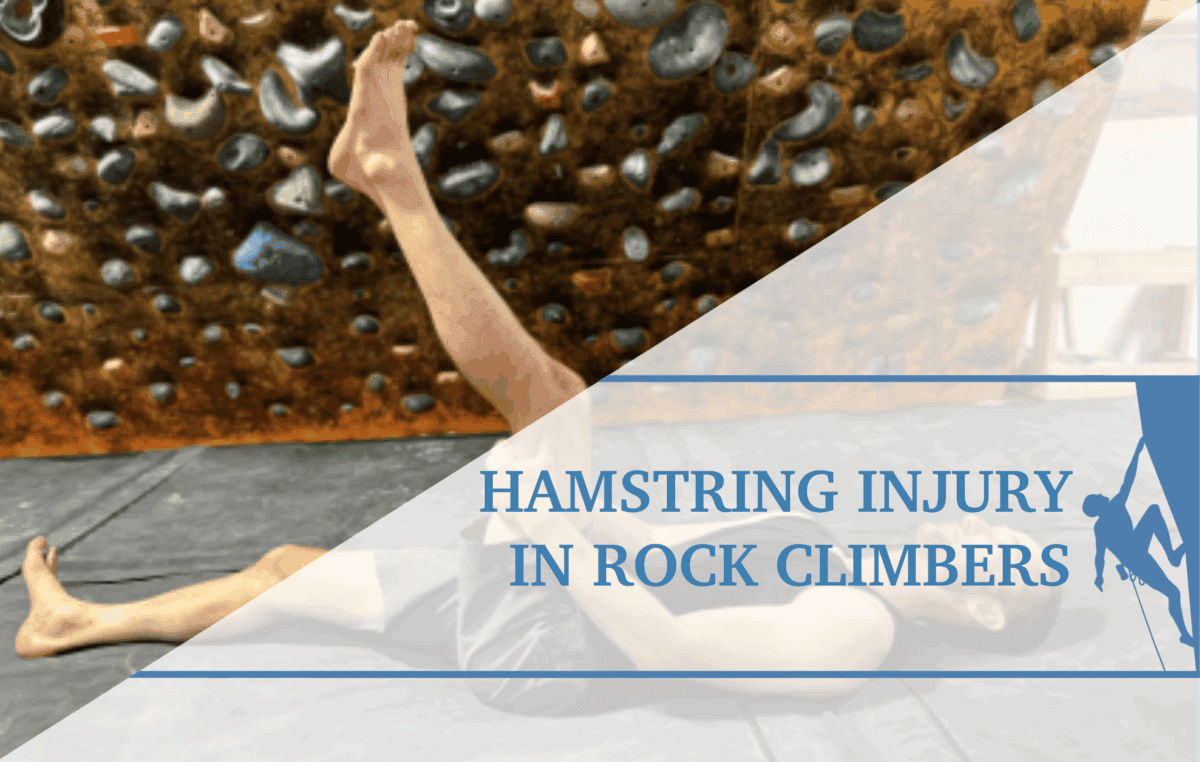
You’re climbing your project, and you have a high heel hook set on a big hold. The next hold looks far but your heel feels secure so you pull on […]
How many of us have read an article online, received a pop-up ad on the computer, or even been told by a doctor that we need to stretch more? Odds […]
Climbing, to no one’s surprise, is hard. However, more people are drawn to sport climbing and bouldering than ever before. Climbing itself is not new to the realm of sports; […]
Walk up at any climbing gym and you will certainly see people performing all kinds of pull-ups. Straight, inclined, supinated or pronated grip, on rings or on microscopic crimps: the […]
Rock climbing, a sport defined by complex movements, physical strength, and mental resilience, exemplifies the intricacies of motor learning in real-time application. Elite climber Nathaniel Coleman vividly illustrates these complexities […]
Sensory Integration (SI) is a theory and model developed by Jane Aryes in 1972. It gives name to neurological processes that determine how the brain organizes, interprets, and deciphers what to do with incoming sensory information.
Routesetters are an integral part of the indoor climbing community. Without them, we wouldn’t have fun, quality routes and problems to climb, and we’d eventually get a bit tired of […]
Recently in my journey pursuing my doctorate in physical therapy, I’ve explored the idea of “contextual factors in healing”, the unwritten, often underemphasized components of recovery from injury that carry […]
It’s a natural reaction to avoid what hurts us, to steer clear of holds, moves, or situations that remind us of an injury or are painful. After all, pain serves as an important protective function to our bodies.
BlogThe Climbing Doctor2024-03-18T13:06:17-07:00