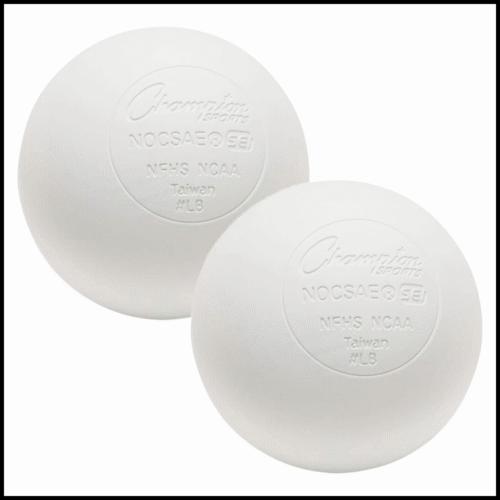
• A lacrosse ball is a firm, dense rubber ball commonly used in physiotherapy for targeted soft tissue work and self-myofascial release. Its size and firmness make it effective for accessing smaller, more specific areas than a foam roller can reach — including the forearm flexors, thenar muscles, posterior shoulder, thoracic spine, glutes, and plantar fascia. For climbers, it is a practical recovery and mobility tool for releasing forearm and hand tension after training, addressing thoracic and posterior shoulder tightness, and working through hip and glute restrictions that affect footwork and lower body positioning on the wall.

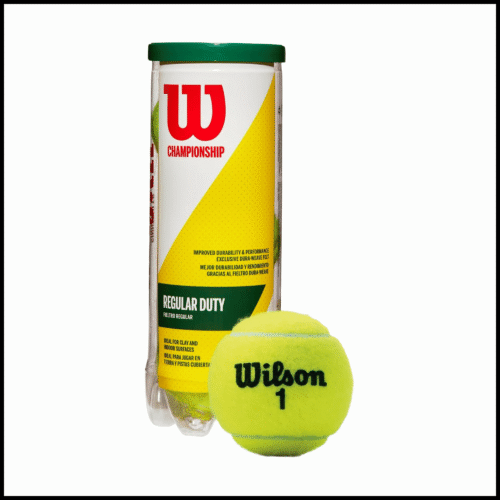
  • A tennis ball is a softer, more forgiving alternative to a lacrosse ball for self-myofascial release and soft tissue mobilization. The slight give in the felt-covered rubber makes it better suited for sensitive areas or for climbers who find a lacrosse ball too firm during early rehabilitation. For climbers, tennis balls are commonly used for plantar fascia rolling, gentle forearm and hand release, and suboccipital work at the base of the skull where a harder ball may be too intense. They are also useful for grip and hand coordination exercises during finger rehabilitation.

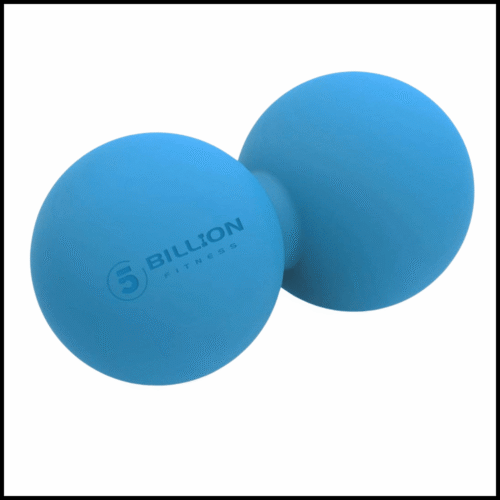
  • A peanut massage ball is two lacrosse-sized balls fused together in a double-sphere shape, designed to straddle the spine or other bony prominences and apply pressure to the surrounding soft tissue without loading the vertebrae directly. At 5 inches long and 2.5 inches in diameter, it is particularly effective for thoracic spine mobilization — one of the most commonly restricted areas in climbers due to the demands of pulling movements and prolonged positions on the wall. It is also useful for paraspinal muscle release, posterior shoulder work, and calf and foot mobilization. Available in hard and soft densities depending on tissue tolerance.

  • Small pom poms are used in physiotherapy and rehabilitation as low-cost hand strengthening tools. Placing pom poms between the fingers and gently squeezing them helps train the small intrinsic muscles of the hand, improve finger coordination, and build better grip control. For climbers, this can support more precise hand positioning on holds and improve control during gripping movements. This pack includes 250 one-inch pom poms in assorted colors, enough for extended rehab programs, warm-ups, or clinic use.

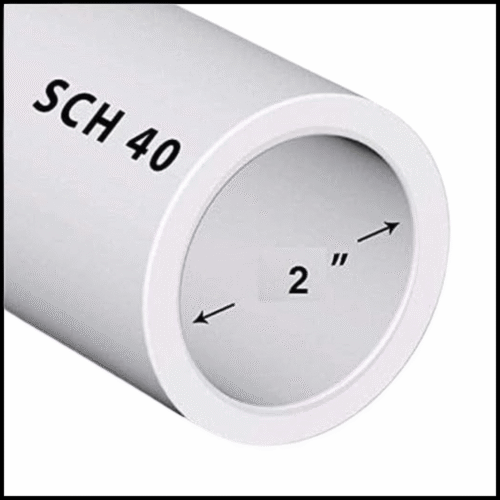
  • A short section of 2-inch Schedule 40 PVC pipe is a firm, low-cost tool used by climbers for finger and forearm warm-ups. Loop a resistance band around each end of the pipe, step on the middle of the band, and hold the pipe with your fingers. From there, slowly curl the pipe using your fingers and wrists to activate the finger flexors and forearm muscles before climbing. At 18 inches long, it is the perfect length.

  • The TheraBand Soft Weight Ball is a 4.5-inch vinyl-coated weighted ball designed for isotonic strengthening exercises in rehabilitation and training. Unlike dumbbells, the ball shape allows for a natural, functional grip and can be used for unilateral or bilateral exercises, thrown against a rebounder for plyometric work, or held during rotational and shoulder movements. For climbers, it is useful for shoulder strengthening and scapular stability exercises, rotator cuff loading, and upper extremity conditioning work where a compact, easy-to-grip weight is more practical than a dumbbell. The 3.3 lb Red version is a practical starting point for most upper extremity rehab programs.

  • The TheraBand Hand Exerciser is a soft rubber squeeze ball used in hand, finger, and forearm rehabilitation to restore grip strength, dexterity, and range of motion following injury. Available in multiple resistance levels — from Extra Soft (Yellow) through to Extra Firm (Black) — it allows progressive loading through a full squeezing motion with consistent resistance throughout the range. For climbers, it is a useful early-stage rehabilitation tool for finger and pulley injuries, returning grip function after periods of immobilization, and addressing forearm weakness during recovery. It can also be heated or cooled for use alongside hot and cold therapy protocols.

  • The PocketMaster is a compact solid wood training block designed for finger strength and grip development through loaded hangs and dead hang training. At 90 × 100 × 30 mm and 190 g, it fits in a gym bag and can be used anywhere — at home, at the gym, or at the crag. It offers four edge depths (6, 10, 14, and 18 mm) and two pinch surfaces (30 mm and 100 mm), covering the range of grip positions relevant to both climbing training and finger rehabilitation. For climbers returning from injury, the variety of edge depths allows precise load management during progressive tendon loading protocols.

  • A weight loading pin is a simple attachment that allows standard or Olympic weight plates to be suspended from a cable, pulley, or strap system for a wide range of loading exercises. For climbers, it is most commonly used for wrist roller exercises, finger and wrist flexion and extension loading, and dead hang progressions where a specific, measurable load needs to be attached to a training device. It is also used with hanging straps or towels for grip and pulling strength work. The iron construction supports up to 130 kg, and the carabiner attachment makes it compatible with most cable and pulley setups.

  • A 1-inch birch wood dowel rod is a simple, low-cost tool used to increase the grip and wrist challenge during rowing, curling, and other pulling exercises. By gripping the dowel instead of a smaller handle, climbers create a longer lever and a larger gripping surface, which increases demand on the wrist stabilizers, forearm muscles, and finger flexors. This makes it useful for training wrist control, grip strength, and forearm endurance in movements that carry over to climbing. The pack of 5 provides multiple units for clinic, gym, or home use.

    • Doorframe, Wall, and Ceiling Climbing Modules
    • Hangboards and Fingerboards
    • Campus Boards and Campus Rungs
    • Pull-up Bars and Gymnastics Equipment
    • Climbing Holds and Training Accessories
    • 5-Year Guarantee and 30-Day Money-Back Policy on Selected Products
    Use the code "ClimbingDoctor10" to save 10% on your order
  • The Resilient Climber Course is a 12-week program designed to help climbers improve the strength, mobility, and movement capacity behind key climbing techniques. Created from the concepts in The Resilient Climber book, this course gives you a structured way to assess your movement, choose focus areas, and build resilience through targeted training.

    Inside the course, each section guides you through climbing movements, self-assessments, exercise progressions, and foundational routines so you understand what to work on and how to train it. You will learn how each movement should feel, where common limitations show up, and how to use the exercises to improve your capacity over time.

    Whether your goal is to improve climbing performance, build resilience, or reduce injury risk, this course provides practical instruction you can apply directly to your climbing and training routine.

Go to Top