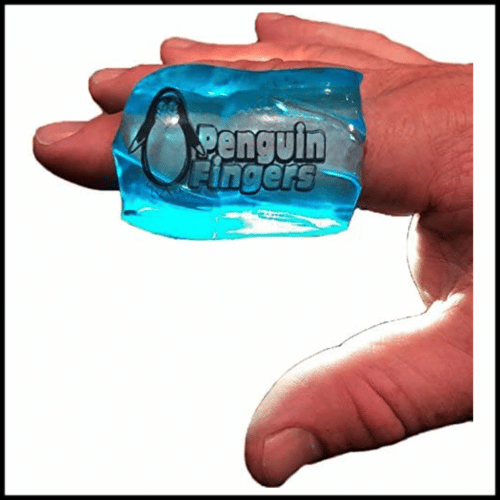
- Cold compression therapy for the fingers
- Latex free and non toxic
- Do not apply for longer than 5 minutes at a time
- Do not apply directly to the kin
- Immediately remove the ice pack if the area becomes uncomfortable
-
-
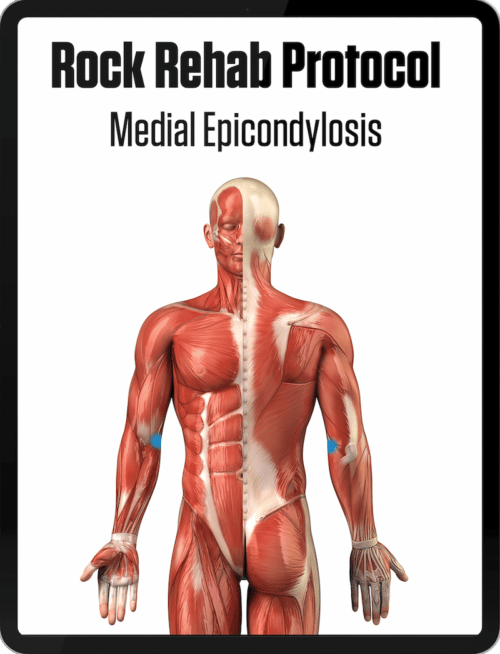 This “Rock Rehab Protocol” is designed to take you step-by-step through the entire rehabilitation process
- Learn how to diagnose your injury with orthopedic tests
- Choose a rehab category based on your test results
- Follow the specific protocol for your rehab category
- Return to climbing at full strength and injury-free
-
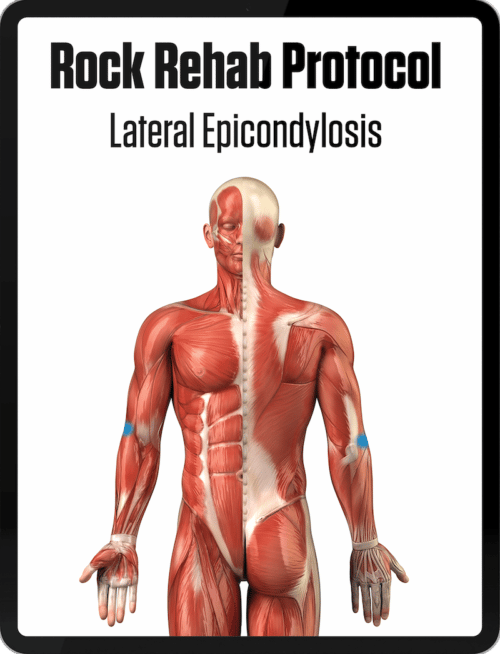 This “Rock Rehab Protocol” is designed to take you step-by-step through the entire rehabilitation process
- Learn how to diagnose your injury with orthopedic tests
- Choose a rehab category based on your test results
- Follow the specific protocol for your rehab category
- Return to climbing at full strength and injury-free
-
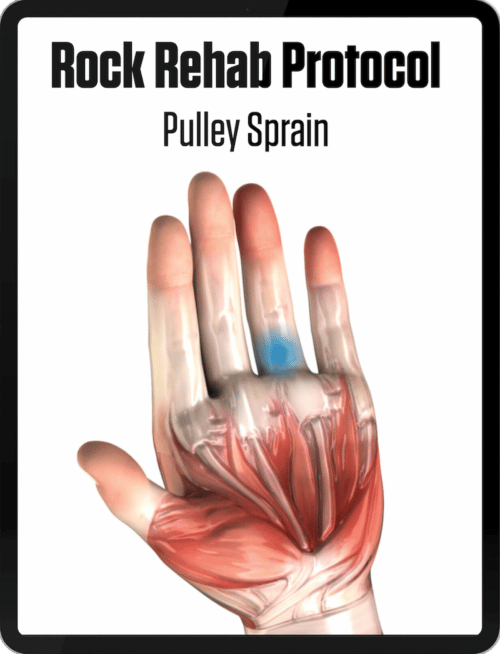 This “Rock Rehab Protocol” is designed to take you step-by-step through the entire rehabilitation process
- Learn how to diagnose your injury with orthopedic tests
- Choose a rehab category based on your test results
- Follow the specific protocol for your rehab category
- Return to climbing at full strength and injury-free
-
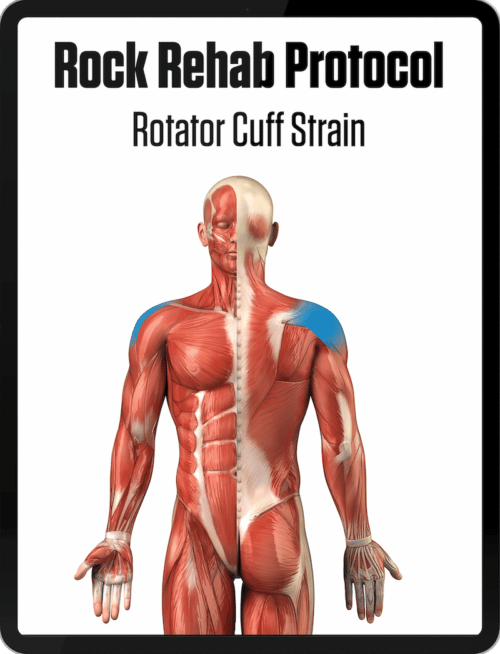 This “Rock Rehab Protocol” is designed to take you step-by-step through the entire rehabilitation process
- Learn how to diagnose your injury with orthopedic tests
- Choose a rehab category based on your test results
- Follow the specific protocol for your rehab category
- Return to climbing at full strength and injury-free
-
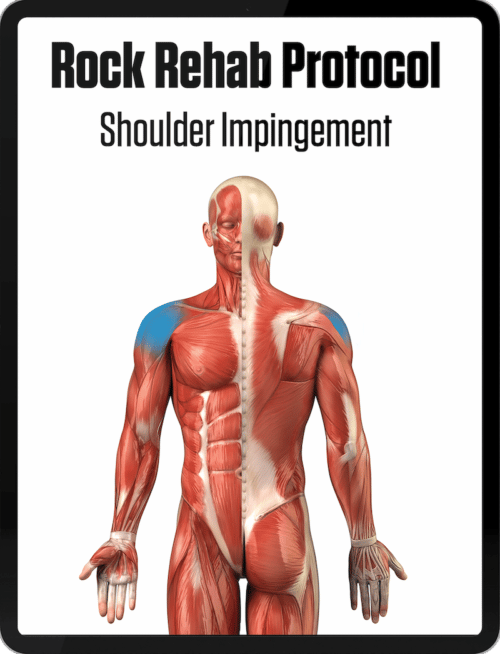 This “Rock Rehab Protocol” is designed to take you step-by-step through the entire rehabilitation process
- Learn how to diagnose your injury with orthopedic tests
- Choose a rehab category based on your test results
- Follow the specific protocol for your rehab category
- Return to climbing at full strength and injury-free
-
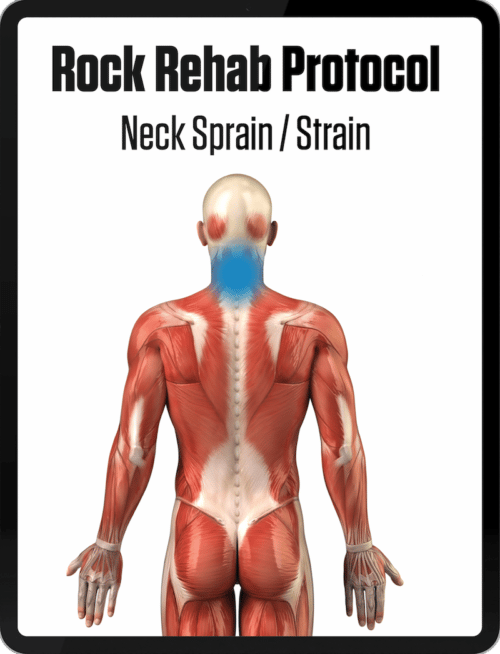 This “Rock Rehab Protocol” is designed to take you step-by-step through the entire rehabilitation process
- Learn how to diagnose your injury with orthopedic tests
- Choose a rehab category based on your test results
- Follow the specific protocol for your rehab category
- Return to climbing at full strength and injury-free
-
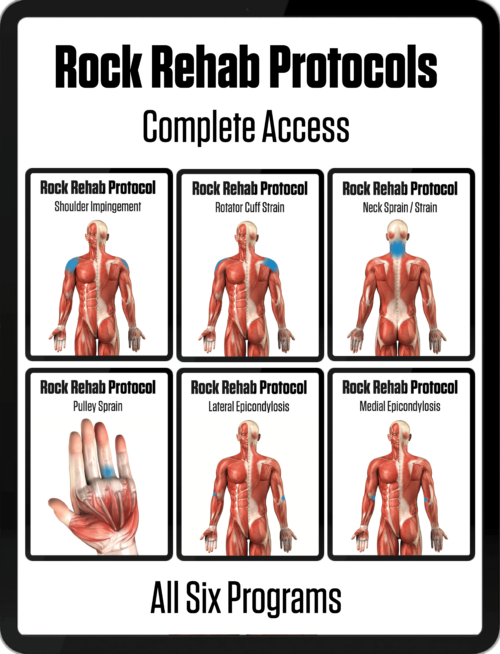 Complete access to all 6 Rock Rehab Protocols
- Medial Epicondylosis
- Lateral Epicondylosis
- Pulley Sprain
- Rotator Cuff Strain
- Shoulder Impingement
- Neck Strain / Sprain