
- Portable Fingerboards
- Training racks
- Hangboards
- Climbing Training Tools
- Climbing Rehab Tools
- Training Accessaries
-
-
- Sampling frequency: 80Hz.
- Design load:150kg (F.S).
- Safe overload: 120%F.S.
- Limit overload: 150%F.S.
- Precision: 0.1%F.S.
- Non-linearity: 0.1%F.S.
- Repeatability: 0.1%F.S.
- Hysteresis: 0.1%F.S.
-
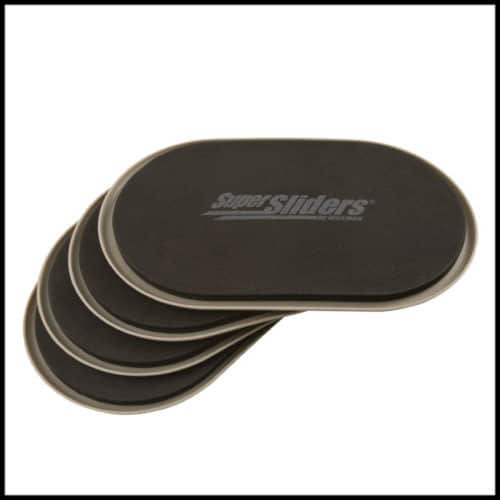
- Cost effective and easy to use
- Measures 9-1/2” x 5-3/4
- Made of hard plastic
- Works great on carpet
-
 Click the link to be directed to the Shelter Fitness Page. Purchase any equipment form the site including high quality power bands, resistance bands, glute bands, plates, barbells, and kettlebells, slam balls, battle ropes, or racks. Receive "10% discount" by entering the coupon code "JAREDVAGY" at checkout
 -
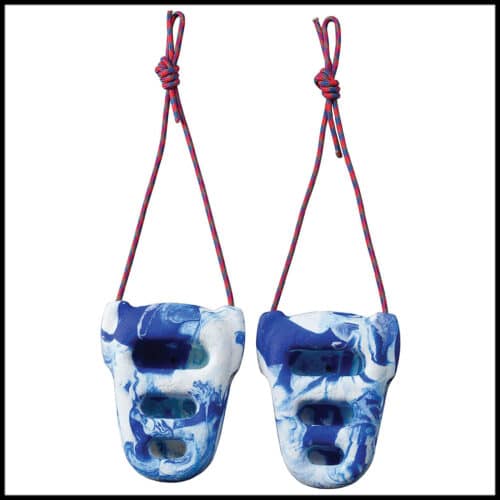
- A set of 5 color-coded discs, in 5 different progressive resistance's, for 5 fingers
- Improves finger strength, dexterity and speed and also help promotes finger independence
- Lightweight and compact
- Ideal for warm up and cool down
-
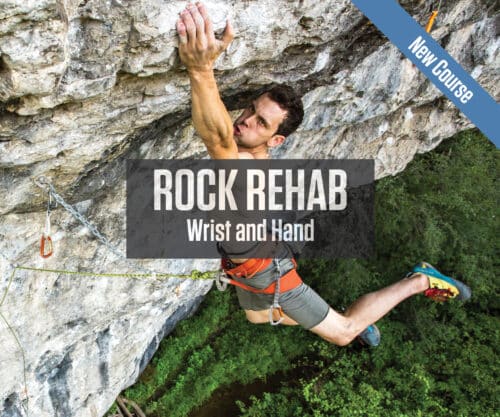 This continuing education course is for medical professionals and coaches looking to advance their knowledge in assessing, diagnosing and treating wrist and hand injuries with rock climbers. The material is highly interactive with an emphasis on case based learning and practical application. At the conclusion of the course, you will have a greater understanding of how to assess and rehabilitate climbing wrist and hand injuries.*Course fees do not include tax and/or VAT. Additional taxes will be calculated separately at checkout based on your geographic location.
 -
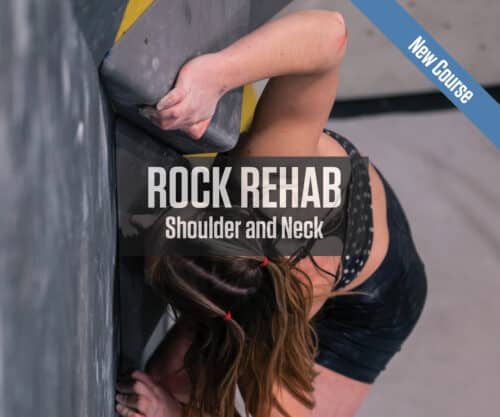 This continuing education course is for medical professionals and coaches looking to advance their knowledge in assessing, diagnosing and treating shoulder and neck injuries with rock climbers. The material is highly interactive with an emphasis on case based learning and practical application. At the conclusion of the course, you will have a greater understanding of how to assess and rehabilitate shoulder and neck injuries.*Course fees do not include tax and/or VAT. Additional taxes will be calculated separately at checkout based on your geographic location.
 -
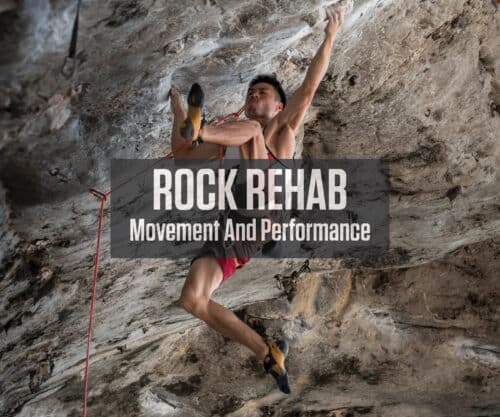 This continuing education course is for medical professionals and coaches looking to advance their knowledge in understanding movement analysis and performance testing. The material is highly interactive with an emphasis on case based learning and practical application. At the conclusion of the course, you will have a greater understanding of climbing movement and performance. *Course fees do not include tax and/or VAT. Additional taxes will be calculated separately at checkout based on your geographic location.
 -
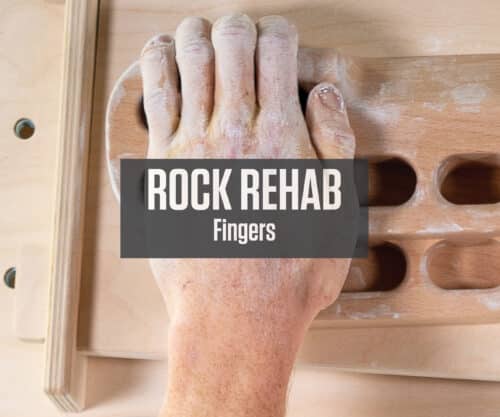 This continuing education course is for medical professionals and coaches looking to advance their knowledge in assessing, diagnosing and treating finger injuries with rock climbers. The material is highly interactive with an emphasis on case based learning and practical application. At the conclusion of the course, you will have a greater understanding of how to assess and rehabilitate rock climbing finger injuries.*Course fees do not include tax and/or VAT. Additional taxes will be calculated separately at checkout based on your geographic location.
 -
This continuing education course is for medical professionals and coaches looking to advance their knowledge in assessing, diagnosing and treating finger injuries with rock climbers. The material is highly interactive with an emphasis on case based learning and practical application. At the conclusion of the course, you will have a greater understanding of how to assess and rehabilitate rock climbing finger injuries.*Course fees do not include tax and/or VAT. Additional taxes will be calculated separately at checkout based on your geographic location.
-
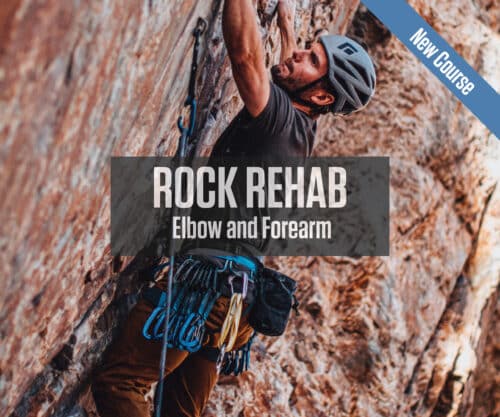 This continuing education course is for medical professionals and coaches looking to advance their knowledge in assessing, diagnosing and treating elbow and forearm injuries with rock climbers. The material is highly interactive with an emphasis on case based learning and practical application. At the conclusion of the course, you will have a greater understanding of how to assess and rehabilitate climbing injuries.*Course fees do not include tax and/or VAT. Additional taxes will be calculated separately at checkout based on your geographic location.
 -
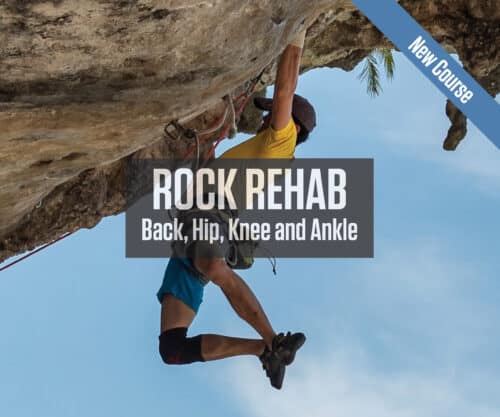 This continuing education course is for medical professionals and coaches looking to advance their knowledge in assessing, diagnosing and treating back, hip, knee, and ankle injuries with rock climbers. The material is highly interactive with an emphasis on case based learning and practical application. At the conclusion of the course, you will have a greater understanding of how to assess and rehabilitate climbing injuries.*Course fees do not include tax and/or VAT. Additional taxes will be calculated separately at checkout based on your geographic location.