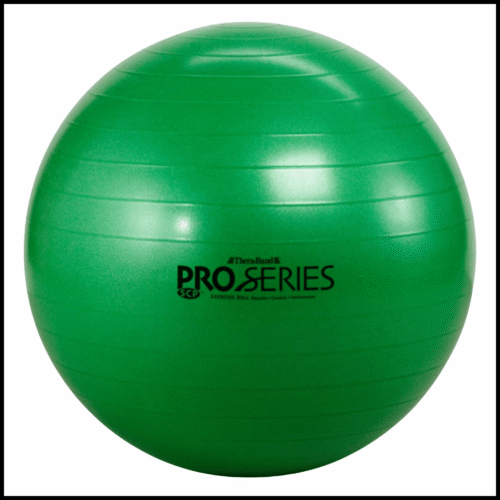
• A stability ball is a versatile rehab and training tool used by physiotherapists to improve core strength, spinal stability, balance, and postural control. The TheraBand Pro Series ball is made from burst-resistant rubber and inflates to 26 inches (65 cm), making it suitable for adults between 5'7" and 6'1". For climbers, it is useful for core activation exercises, lumbar stabilization work, and shoulder rehab drills that require an unstable surface to challenge neuromuscular control.

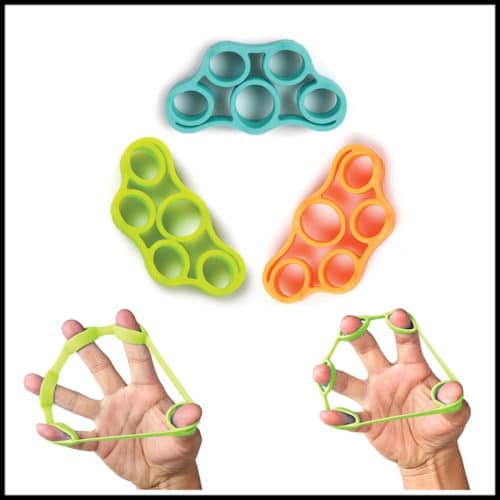
    • Simple and cost effective way to improve finger strength
    • Thermoplastic BPAs free hypoallergenic rubber
    • 3 resistance levels 6.6 lbs, 8.8 lbs, and 11 lbs
    • Easy to secure finger holes
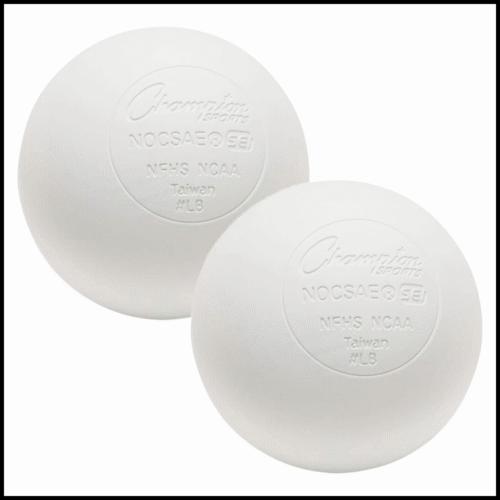
  • A lacrosse ball is a firm, dense rubber ball commonly used in physiotherapy for targeted soft tissue work and self-myofascial release. Its size and firmness make it effective for accessing smaller, more specific areas than a foam roller can reach — including the forearm flexors, thenar muscles, posterior shoulder, thoracic spine, glutes, and plantar fascia. For climbers, it is a practical recovery and mobility tool for releasing forearm and hand tension after training, addressing thoracic and posterior shoulder tightness, and working through hip and glute restrictions that affect footwork and lower body positioning on the wall.

  • A weight loading pin is a simple attachment that allows standard or Olympic weight plates to be suspended from a cable, pulley, or strap system for a wide range of loading exercises. For climbers, it is most commonly used for wrist roller exercises, finger and wrist flexion and extension loading, and dead hang progressions where a specific, measurable load needs to be attached to a training device. It is also used with hanging straps or towels for grip and pulling strength work. The iron construction supports up to 130 kg, and the carabiner attachment makes it compatible with most cable and pulley setups.

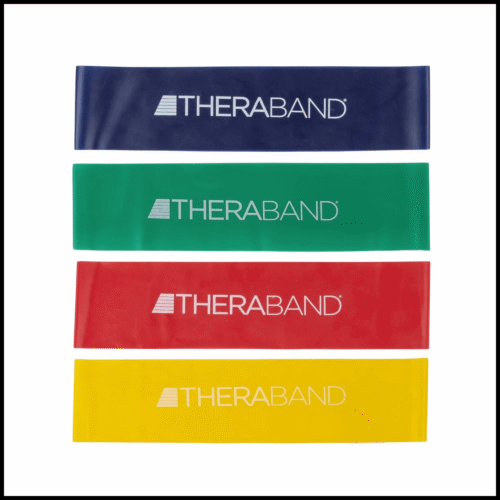
  • TheraBand's 12-inch loop bands are a compact, portable option for lower extremity strengthening, hip rehab, and mobility work. The set includes four color-coded bands in progressive resistance levels — Yellow, Red, Green, and Blue — each measuring 12 inches long and 3 inches wide. The wider design sits flat against the skin and resists rolling during movement, which makes them practical for exercises where band placement needs to stay consistent. For climbers, they are commonly used for hip abduction, glute activation, clamshells, and ankle strengthening work during lower extremity rehabilitation.

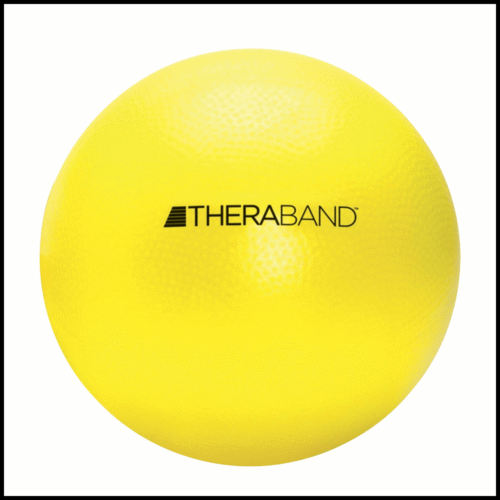
  • The TheraBand Mini Ball is a 9-inch inflatable PVC ball used in physiotherapy and home exercise programs to add instability and tactile feedback to core, shoulder, and postural exercises. It can be positioned between the body and the floor or wall to increase the challenge of standard rehab movements. For climbers, it is particularly useful for shoulder stabilization drills, scapular control exercises, and core work where a small, soft surface is needed to cue proper muscle activation. No pump required — it inflates by breath using the included tube.

  • The PocketMaster is a compact solid wood training block designed for finger strength and grip development through loaded hangs and dead hang training. At 90 × 100 × 30 mm and 190 g, it fits in a gym bag and can be used anywhere — at home, at the gym, or at the crag. It offers four edge depths (6, 10, 14, and 18 mm) and two pinch surfaces (30 mm and 100 mm), covering the range of grip positions relevant to both climbing training and finger rehabilitation. For climbers returning from injury, the variety of edge depths allows precise load management during progressive tendon loading protocols.

  • Small pom poms are used in physiotherapy and rehabilitation as low-cost hand strengthening tools. Placing pom poms between the fingers and gently squeezing them helps train the small intrinsic muscles of the hand, improve finger coordination, and build better grip control. For climbers, this can support more precise hand positioning on holds and improve control during gripping movements. This pack includes 250 one-inch pom poms in assorted colors, enough for extended rehab programs, warm-ups, or clinic use.

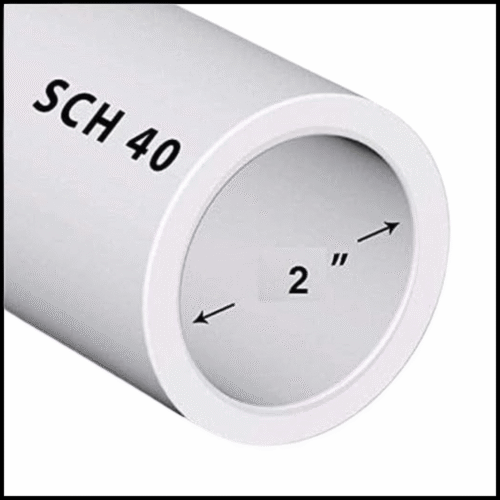
  • A short section of 2-inch Schedule 40 PVC pipe is a firm, low-cost tool used by climbers for finger and forearm warm-ups. Loop a resistance band around each end of the pipe, step on the middle of the band, and hold the pipe with your fingers. From there, slowly curl the pipe using your fingers and wrists to activate the finger flexors and forearm muscles before climbing. At 18 inches long, it is the perfect length.

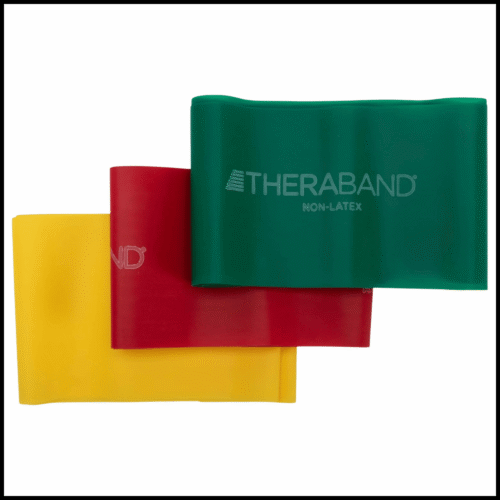
  • TheraBand resistance bands are one of the most widely used tools in physical therapy and home rehabilitation programs. The beginner set includes three color-coded bands — Yellow (3–4.3 lbs), Red (3.7–5.5 lbs), and Green (4.6–6.7 lbs) — each 5 feet long, allowing for progressive resistance training across a range of exercises. For climbers, resistance bands are useful for shoulder strengthening, rotator cuff rehab, scapular stabilization, and hip and ankle work during injury recovery. Both latex and non-latex options are available.

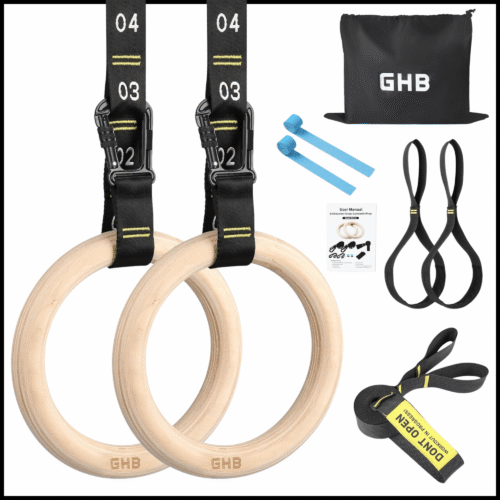
  • Gymnastic rings are one of the most effective tools for developing the upper body strength, shoulder stability, and body tension that directly transfer to climbing performance. The GHB rings are made from 1.25-inch birch wood, which provides a natural grip surface similar to wooden hangboards, and the adjustable numbered straps make it straightforward to set equal heights on both rings. For climbers, rings are useful for building pulling strength through ring rows and inverted rows, developing shoulder stability through support holds and push-up progressions, and training the scapular control needed to manage climbing loads safely. The set includes a door anchor, foot straps, grip tape, and a carry bag.

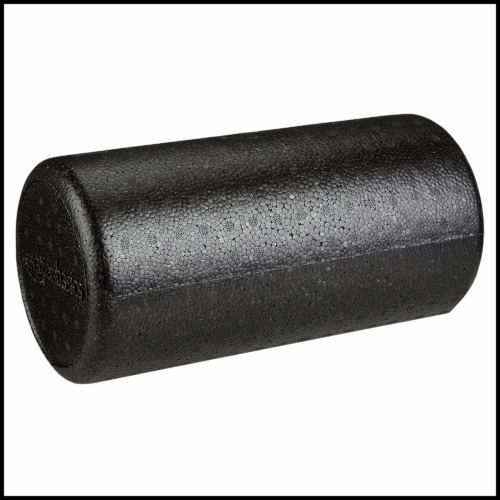
  • A foam roller is a standard tool in physiotherapy and athletic recovery, used for soft tissue mobilization, thoracic spine mobility, and neuromuscular warm-up work. The 12-inch high-density polypropylene roller is firm enough to maintain shape under bodyweight, compact enough to travel with, and the shorter length makes it practical for targeted work on specific regions. For climbers, foam rolling is commonly used for thoracic extension mobilization, lat and pec minor release, and lower extremity soft tissue work as part of a warm-up or recovery routine.

Go to Top