Provide options for preventative exercises that use minimal equipment so that anyone can perform the exercises. Below is a list of the equipment used in the book and below that are easy-to-find, affordable substitutes.

  • Train strength, power, and control with one space-saving adjustable kettlebell. With the turn of a dial, you can quickly adjust from 8 to 40 lbs, making it easy to move between exercises without needing multiple kettlebells. It replaces six individual weights, including 8, 12, 20, 25, 35, and 40 lbs, and is ideal for full-body training such as swings, rows, squats, carries, twists, and other exercises that support climbing performance. Its compact design makes it a practical option for home training, small spaces, or anyone looking to build strength without taking up extra room.

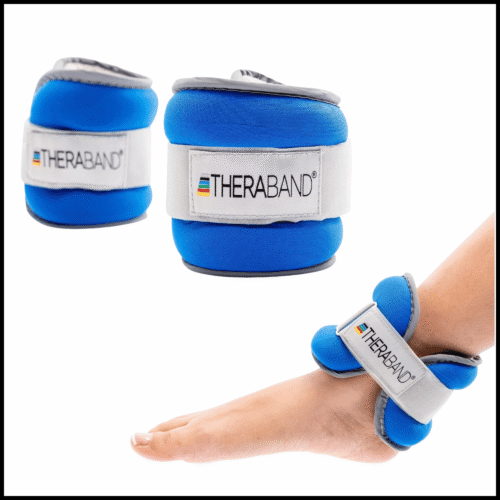
  • TheraBand Comfort Fit Ankle Weights are a simple, effective tool for progressive lower extremity strengthening in home exercise and rehabilitation programs. Each neoprene cuff weighs 2.5 lbs and secures around the ankle or wrist with an adjustable hook-and-loop strap. For climbers recovering from ankle sprains, foot injuries, or hip and knee conditions, they provide an easy way to add resistance to strengthening exercises without changing movement technique.

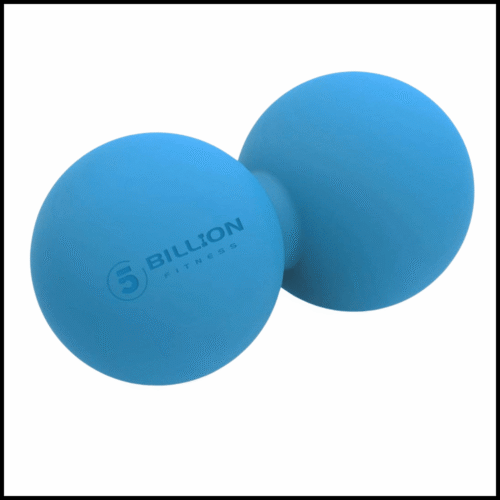
  • A peanut massage ball is two lacrosse-sized balls fused together in a double-sphere shape, designed to straddle the spine or other bony prominences and apply pressure to the surrounding soft tissue without loading the vertebrae directly. At 5 inches long and 2.5 inches in diameter, it is particularly effective for thoracic spine mobilization — one of the most commonly restricted areas in climbers due to the demands of pulling movements and prolonged positions on the wall. It is also useful for paraspinal muscle release, posterior shoulder work, and calf and foot mobilization. Available in hard and soft densities depending on tissue tolerance.

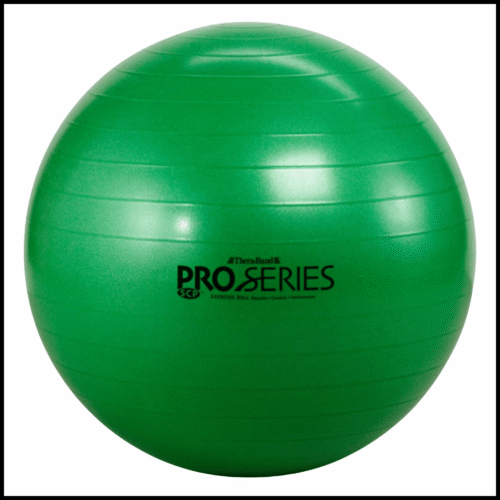
  • A stability ball is a versatile rehab and training tool used by physiotherapists to improve core strength, spinal stability, balance, and postural control. The TheraBand Pro Series ball is made from burst-resistant rubber and inflates to 26 inches (65 cm), making it suitable for adults between 5'7" and 6'1". For climbers, it is useful for core activation exercises, lumbar stabilization work, and shoulder rehab drills that require an unstable surface to challenge neuromuscular control.

  • The TriggerPoint Universal is a peanut-shaped EVA foam roller designed for soft tissue work on larger muscle groups and along the spinal column. The double-ball shape positions the two spheres on either side of the spine, allowing firm pressure on the paraspinal muscles without loading the vertebrae directly — making it more practical for thoracic and lumbar work than a single ball or standard cylindrical roller. The textured surface adds grip and increases tissue response during rolling. At 8 inches long and under a pound, it is compact enough for a gym bag. For climbers, it is useful for thoracic mobility work, posterior shoulder and lat release, glute and hip external rotator rolling, and general lower extremity recovery.

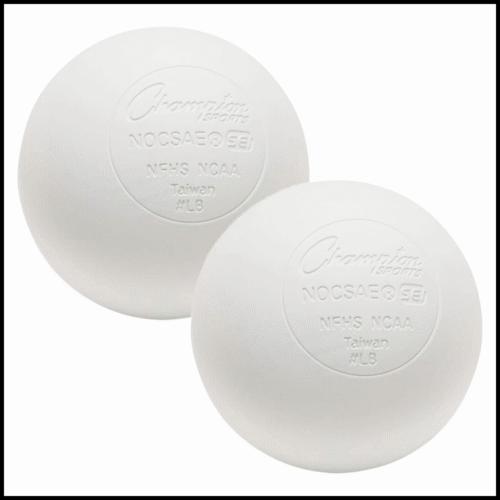
  • A lacrosse ball is a firm, dense rubber ball commonly used in physiotherapy for targeted soft tissue work and self-myofascial release. Its size and firmness make it effective for accessing smaller, more specific areas than a foam roller can reach — including the forearm flexors, thenar muscles, posterior shoulder, thoracic spine, glutes, and plantar fascia. For climbers, it is a practical recovery and mobility tool for releasing forearm and hand tension after training, addressing thoracic and posterior shoulder tightness, and working through hip and glute restrictions that affect footwork and lower body positioning on the wall.

  • A weight loading pin is a simple attachment that allows standard or Olympic weight plates to be suspended from a cable, pulley, or strap system for a wide range of loading exercises. For climbers, it is most commonly used for wrist roller exercises, finger and wrist flexion and extension loading, and dead hang progressions where a specific, measurable load needs to be attached to a training device. It is also used with hanging straps or towels for grip and pulling strength work. The iron construction supports up to 130 kg, and the carabiner attachment makes it compatible with most cable and pulley setups.

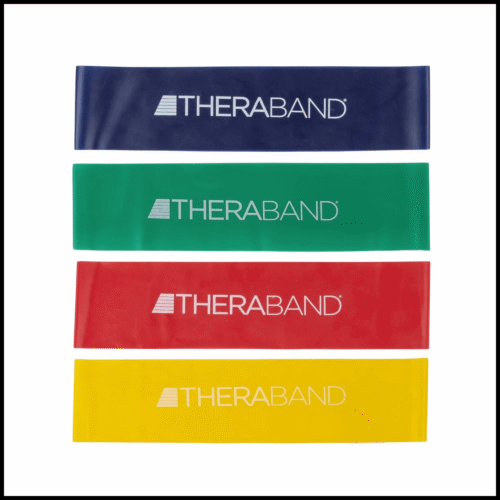
  • TheraBand's 12-inch loop bands are a compact, portable option for lower extremity strengthening, hip rehab, and mobility work. The set includes four color-coded bands in progressive resistance levels — Yellow, Red, Green, and Blue — each measuring 12 inches long and 3 inches wide. The wider design sits flat against the skin and resists rolling during movement, which makes them practical for exercises where band placement needs to stay consistent. For climbers, they are commonly used for hip abduction, glute activation, clamshells, and ankle strengthening work during lower extremity rehabilitation.

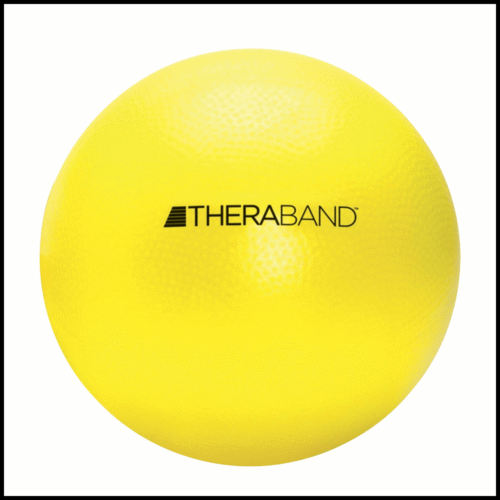
  • The TheraBand Mini Ball is a 9-inch inflatable PVC ball used in physiotherapy and home exercise programs to add instability and tactile feedback to core, shoulder, and postural exercises. It can be positioned between the body and the floor or wall to increase the challenge of standard rehab movements. For climbers, it is particularly useful for shoulder stabilization drills, scapular control exercises, and core work where a small, soft surface is needed to cue proper muscle activation. No pump required — it inflates by breath using the included tube.

  • Small pom poms are used in physiotherapy and rehabilitation as low-cost proprioceptive training aids for foot and ankle exercises. Picking up pom poms with the toes is a simple and effective way to strengthen the intrinsic foot muscles, improve toe dexterity, and restore fine motor control following foot and ankle injuries. For climbers, intrinsic foot strength directly supports edging technique, toe hooking, and overall foot precision on the wall. This pack includes 250 one-inch pom poms in assorted colors — enough for extended rehab programs or clinic use.

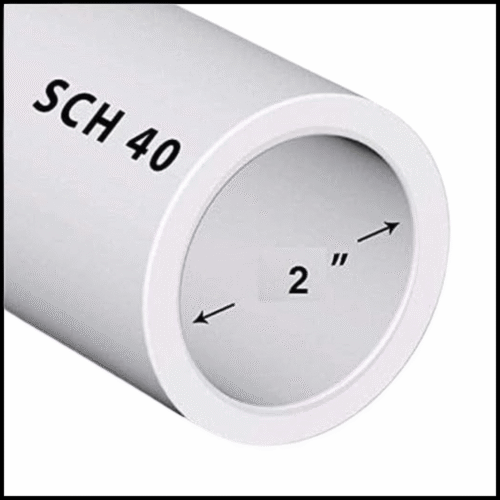
  • A short section of 2-inch Schedule 40 PVC pipe is a firm, low-cost tool used by climbers and physiotherapists for forearm soft tissue work and self-myofascial release. Its rigid surface and cylindrical shape make it effective for rolling out the forearm flexors and extensors — the muscle groups most heavily loaded during climbing — where a standard foam roller is too large and a lacrosse ball too small. At 18 inches long, it provides enough length to work the full forearm from wrist to elbow in a single pass. It is a practical dirtbag substitute for commercial forearm rollers.

  • TheraBand resistance bands are one of the most widely used tools in physical therapy and home rehabilitation programs. The beginner set includes three color-coded bands — Yellow (3–4.3 lbs), Red (3.7–5.5 lbs), and Green (4.6–6.7 lbs) — each 5 feet long, allowing for progressive resistance training across a range of exercises. For climbers, resistance bands are useful for shoulder strengthening, rotator cuff rehab, scapular stabilization, and hip and ankle work during injury recovery. Both latex and non-latex options are available.

Go to Top