Wired to Climb Applying Motor Learning Principles to Rock Climbing Progression
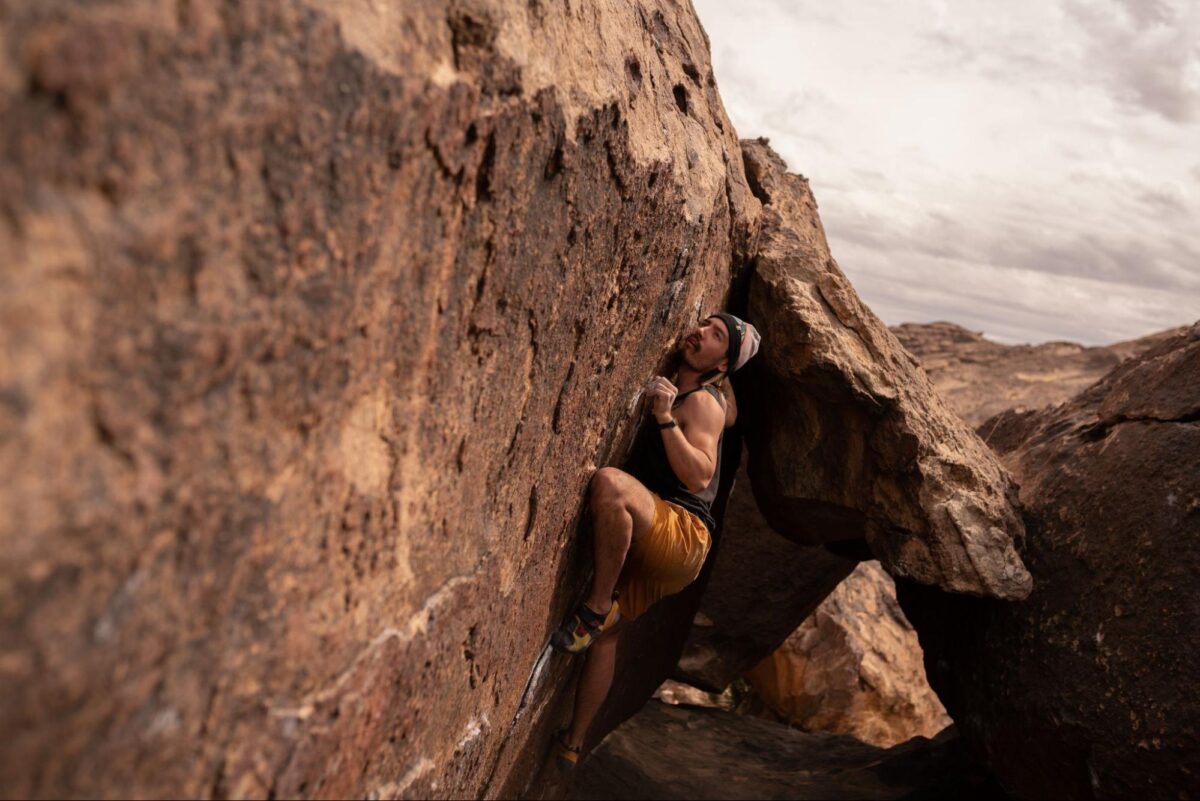
Rock climbing, a sport defined by complex movements, physical strength, and mental resilience, exemplifies the intricacies of motor learning in real-time application. Elite climber Nathaniel Coleman vividly illustrates these complexities in his experience with the groundbreaking climb “Defying Gravity”:
“The defining characteristic of rock is its lack of texture. Pulling too hard in the wrong direction will earn you a dry fire and nothing more. The start holds have very specific divots for your fingers, thumbs included. Putting weight into them I focus on pulling my shoulder blades down and back and mentally prepare myself for the violent move to come. I place my left foot lightly and jump my right foot off the pad, using my whole body to carry its momentum and guide it into the precise heel. As soon as it lands I squeeze my legs together to lock in the heel hook. If I’ve established correctly I look at the target hold and say to myself ‘It’s really not that far away’.
The move begins. I pull my chest inwards and upwards, my heel pushes downward, foot and calf flexing as my hips rise. My mind is racing but I reach for the right hand as if I had all the time in the world. The make or break moment has arrived. If I miss this next hold the coming swing won’t be possible to control. As soon as my hand makes contact I engage the vicegrip and pull straight outwards. My heel will come off and I don’t fight it. I need to keep my shoulders close to the wall, so close I have to crane my neck to avoid hitting my head. My full focus is on balancing the push of my left and right hand as my hips and legs peel away from the wall. I let my body act instinctively as the small muscles in my core and legs play the balancing act of controlling the swing and keeping the pressure in my hands as constant as possible. A sudden change in force means changing my grip, and the attempt is over…” (The North Face, 2021)
Coleman’s experience demonstrates how climbing integrates physical skill, cognitive strategy, emotional control, and continuous learning. These foundational elements form context for understanding and applying these principles.
This article aims to help physical therapists, coaches, and athletes of all levels recognize and leverage key motor learning concepts. It is not meant to suggest you apply every principle discussed simultaneously. Instead, its purpose is to help you identify individual “low-hanging fruit”, one or two areas where immediate focus can significantly boost your and/or your athlete’s climbing performance. Use this as a reference, returning to it whenever you encounter plateaus or feel stuck.
- Reflect: Is there a recent climb that challenged you? What aspect of challenge (physical, cognitive, emotional) was at the root of your struggle, and how did they affect your experience?
Motor Learning Foundations: Core Concepts
The Growth Zone Model and Self-Efficacy
The Growth Zone Model is a practical extension of Bandura’s (1977, 1997) theory of self-efficacy; our belief in our ability to organize and execute actions necessary to achieve a goal. In climbing, self-efficacy doesn’t just influence effort; it shapes how we process failure, regulate emotion, and persist through discomfort.
This model proposes three mental-emotional zones that frame how individuals experience challenge:
- Comfort Zone: This is the land of the known. Climbs in this zone might feel enjoyable, even flowy, but they don’t typically stimulate adaptation. Here, self-efficacy is protected, but not necessarily expanded.
- Growth Zone: This is the edge, the space where challenge meets capability. Mistakes happen, beta breaks down, and adaptation begins. The growth zone is where learning is richest and where both skill and confidence are built.
- Panic Zone: This is the red zone. The challenge is too high, perceived risk too threatening, or self-efficacy too low to respond constructively. Climbing in this state often leads to shutdown, over-gripping, or learned helplessness.
Many climbers subconsciously oscillate between comfort and panic, either avoiding real challenge or diving too far into overwhelming terrain. The goal is to intentionally operate within the growth zone, where stakes feel real, but manageable and where struggle is feedback, not failure.
Example: Just think about the first time you tried to lead a slab, pull on a fingerboard, or take a fall on gear. You may have been technically capable, but your nervous system wasn’t calibrated yet. Over time, with exposure and support, you began to feel less overwhelmed and more in control. That shift is a function of growing self-efficacy and refinement of motor programs resulting in the expansion of your growth zone.
The reason the growth zone matters so much is that it lays the psychological foundation for all that follows. Without belief in one’s ability to learn or improve, even the best training plans fall flat. And once a climber is ready to engage in a challenge deliberately, they need structure. This is where motor learning theory comes in.
- Reflect: Can you recall a time when you were solidly in your growth zone and another time when you were clearly in your panic or comfort zone? How did each affect your confidence and progression?
Stages of Motor Learning
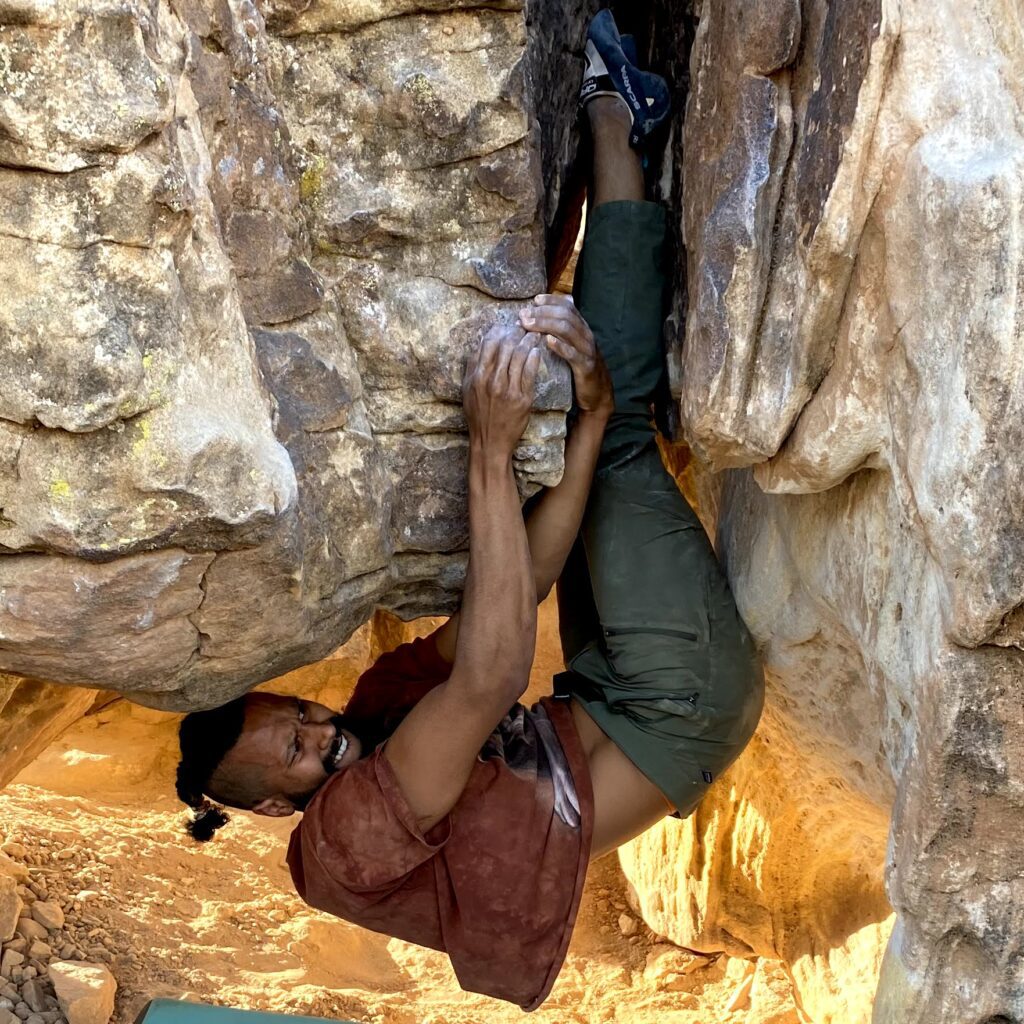
Now that we’ve outlined the mental-emotional framework for growth, we need a process map; a way to understand how skill acquisition actually unfolds. This is where the Stages of Motor Learning come in: a model that breaks learning into three progressive phases (Fitts & Posner, 1967; Shumway-Cook & Woollacott, 2012).
These stages aren’t just academic theory, they’re alive in every climber’s body. You’ve likely moved through all three on the same route without realizing it. Recognizing where you are in the learning process allows you to train with more precision and patience.
- Cognitive Stage: This is the “figuring it out” phase. Movements feel awkward, body positions don’t make intuitive sense, and progress often feels slow or messy. You’re thinking through every step, relying heavily on external feedback; from a coach, a video, a partner, or a lot of trial and error.
- Example: You’re learning to deadpoint (large hand move to a small hold that requires accuracy) on a small crimp. You’re focused on foot placement, shoulder position, timing, and grip all at once. It’s clunky, inconsistent, and mentally exhausting but it’s the foundation of future fluency.
- In the cognitive stage errors are frequent but essential. They provide the data your brain needs to start building a motor map.
- Associative Stage: In the associative stage, climbers begin to refine skills they’ve already established. Movements become more fluid, errors less frequent, and performance more consistent. The climber’s reliance on external feedback decreases as internal awareness and self-correction improve.
- Example: That same deadpoint move you struggled with before? You’ve landed it a few times now. Instead of focusing on all the elements at once, you’re experimenting with minor adjustments; refining hip position, adjusting tempo, and fine-tuning body tension to make the move smoother and more repeatable.
- This is the phase of deliberate practice, where intention meets growing intuition. Climbers often fluctuate within this stage, depending on the style or terrain. For example, someone might feel confident on steep terrain but still be refining slab technique. Recognizing these nuances allows for more effective, context-specific practice.
- Autonomous Stage: Eventually, a skill becomes second nature. You no longer think about how to execute it, you just do it. Movements feel fluid and reactive. Your attention is freed up to focus on tactics, breathing, or flow.
- Example: You don’t think about that deadpoint anymore. You just know when to go. Your timing is automatic, your foot lands instinctively, and your body engages in unison.
- But mastery isn’t the end, it’s the start of new challenges. Once a move becomes automatic, it’s time to vary the context: change the wall angle, the hold type, or the speed. That’s how you keep learning.
- Reflect: Pick a skill you’ve worked on recently; heel hooks, slab footwork, dynamic coordination. Which learning stage best describes your current level? And what does that tell you about how you should practice next?
Performance vs. Learning Distinction
Performance is the immediate demonstration of skill, often variable and influenced by conditions such as stress or fatigue. Learning, on the other hand, refers to the durable, consistent change in capability over time. Understanding the difference helps climbers structure practice sessions intentionally for long-term improvement rather than short-term validation.
Research supporting this distinction indicates that practice conditions that optimize immediate performance often differ from those that optimize long-term learning. Blocked practice, which involves repeating the same move or boulder multiple times in a row, can improve short-term performance by reducing cognitive load, increasing motor program fluency, and building confidence through repetition. These factors give climbers a sense of progress and make execution feel smoother during a session. However, this ease of performance can come at the expense of deeper learning. In contrast, random or variable practice, where climbers alternate between styles, holds, or problems, may feel less polished in the moment but results in stronger skill retention and transfer. This benefit is partly explained by the forgetting and reconstruction hypothesis, which suggests that the mental effort needed to recall and adapt movements during varied practice helps reinforce motor learning and memory encoding (Schmidt & Lee, 2019).
Example: Alex, a gym climber, flashes a V5 on her first try after watching another climber’s beta. She’s thrilled and believes she’s improving quickly. But when she tries a similar V5 on a different wall a few days later, she can’t execute the crux. What happened? The initial flash was a performance success, aided by modeling the other climber and luck. But because she didn’t struggle, experiment, or engage deeply with the movement, the experience didn’t result in learning that was durable or transferable to other contexts.
In contrast, Allison spends a full session working on a V7 she can’t quite send. She tests different footwork, learns from slips, and reflects on the outcome of this experimentation on her performance. Even though Allison walks away without a send, she has gained skill that’s likely to transfer better to future problems. That’s the essence of learning over performing.
Nathaniel Coleman, in discussing his experience projecting Defying Gravity, articulates a deep understanding of the distinction between performance and learning. After finally sticking the crux move and sending the boulder, he reflected:
“On my final session (of Defying Gravity), I warmed up and it was just… every go was good. Every go was closer, and then when I finally did it, it felt amazing. It felt like I had done the move really well and… yeah it just left it in the back of my mind that there’s no way that this is the end of the progress on this move. I know that I can get this consistent and what do ya know there’s a low start (No One Mourns the Wicked) to test my consistency on.” – Nathaniel Coleman, Testpiece Podcast #131
Rather than seeing the send as the endpoint, Coleman viewed it as an opportunity to deepen mastery. His desire to test consistency on the sit-start extension reflects a clear appreciation for the difference between performing a move once and truly learning it, a distinction many climbers overlook.
If you’re interested in diving deeper into how different types of practice structures, feedback timing, and motivation-enhancing cues affect motor learning, check out this comprehensive breakdown on motor learning strategies written by Dr. Joe Manoles (Climbing Magazine, 2023).
- Reflect: Have you ever experienced good immediate performance that didn’t translate to consistent skill? How might you adjust your practice for better long-term learning?
Identifying Your Learning Stage
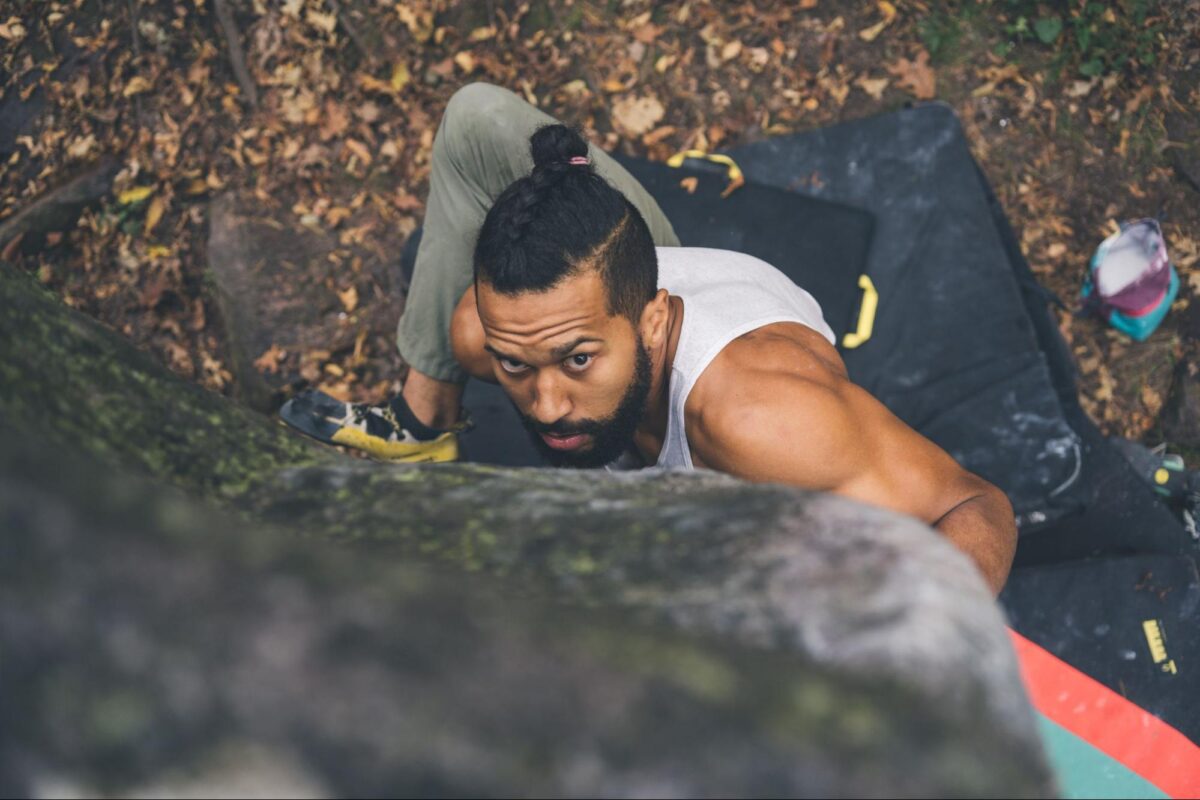
Before diving into stage-specific strategies, it’s important to understand that climbers are rarely in just one stage of learning across the board. You might be in the autonomous stage for indoor bouldering on plastic holds, while remaining in the cognitive stage for slab climbs on granite or heel hook techniques on steep terrain. Your learning stage is not only specific to your overall climbing experience, but also varies by style (e.g., sport, trad, speed), surface (e.g., plastic, wood, granite), hold type (e.g., crimps, pockets, pinches), and even individual movement patterns (e.g., drop knees, knee bars).
To identify your current learning stage for a given skill or style, ask:
- Cognitive: Do I need to think through each step or movement consciously?
- Associative: Am I refining techniques and adjusting based on internal feedback?
- Autonomous: Do I perform this skill with minimal thought and consistency?
Example: Take Sam, a seasoned gym climber confident on powerful overhangs. When they transition to outdoor climbing on slabby granite, they assume their skills will transfer directly. But they quickly realize that they’re hesitating on foot placements, unsure of body positioning, and unsure how to trust friction. Sam believed they were in the associative or even autonomous stage, but on this terrain and surface, they’re back in the cognitive stage. Once they recognize this, they adjust: seeking easier slabs, asking for feedback, and practicing slow, deliberate footwork. Within a few sessions, their fluency increases.
Being honest about your current stage for a specific goal helps set realistic expectations and guides the practice structure that will benefit you most.
- Reflect: Think back to your last project. Which sequences felt automatic, and which ones still required conscious thought? Where were you in each learning stage, and how might recognizing that help guide your next session?
Practical Applications: Cognitive Stage
During the cognitive stage of motor learning, climbers rely heavily on conscious processing and external feedback. Skills feel awkward and require significant mental effort. This stage is critical for building foundational techniques and confidence.
Strategies for the Cognitive Stage:
- Clear and Consistent External Feedback: Coaches and therapists should provide simple, brief feedback focusing on one or two points at a time such as technique and body position.
- Structured Practice Environment: Climbers encountering a new or particularly challenging problem benefit from predictable, structured practice sessions to reduce anxiety and build foundational skills.
- Reduced Error and Early Success: Beginners thrive on early success. Keeping difficulty manageable builds confidence and keeps motivation high. Blocked practice in consistent conditions can create the stability required for early wins. Regardless of practice style, high repetition is key.
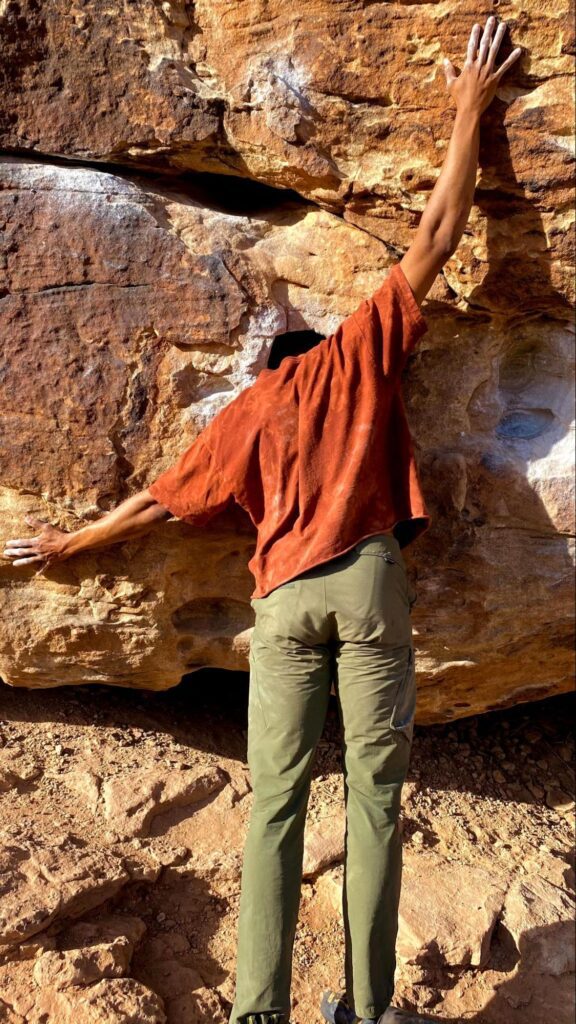
Example: Jamie is a novice climber preparing to attempt his first dyno (dynamic movement). His coach carefully demonstrates the dyno, clearly explaining the timing, jump, and precise hand placement required. Each attempt Jamie makes is accompanied by specific, supportive feedback from his coach, “Great job creating momentum up and into the wall, Jamie! On this next attempt, try standing powerfully through the foothold.” Jamie practices in a safe, structured environment with padded flooring, surrounded by encouraging teammates. With every try, Jamie’s confidence grows, and the dyno starts feeling less intimidating and more attainable. This structured and supportive approach rapidly enhances Jamie’s foundational confidence and technical understanding.
- Reflect: If you are new to climbing or coaching beginners, reflect on how clear feedback and structured practice have influenced skill development. How can these strategies be enhanced in your practice?
Practical Applications: Associative Stage
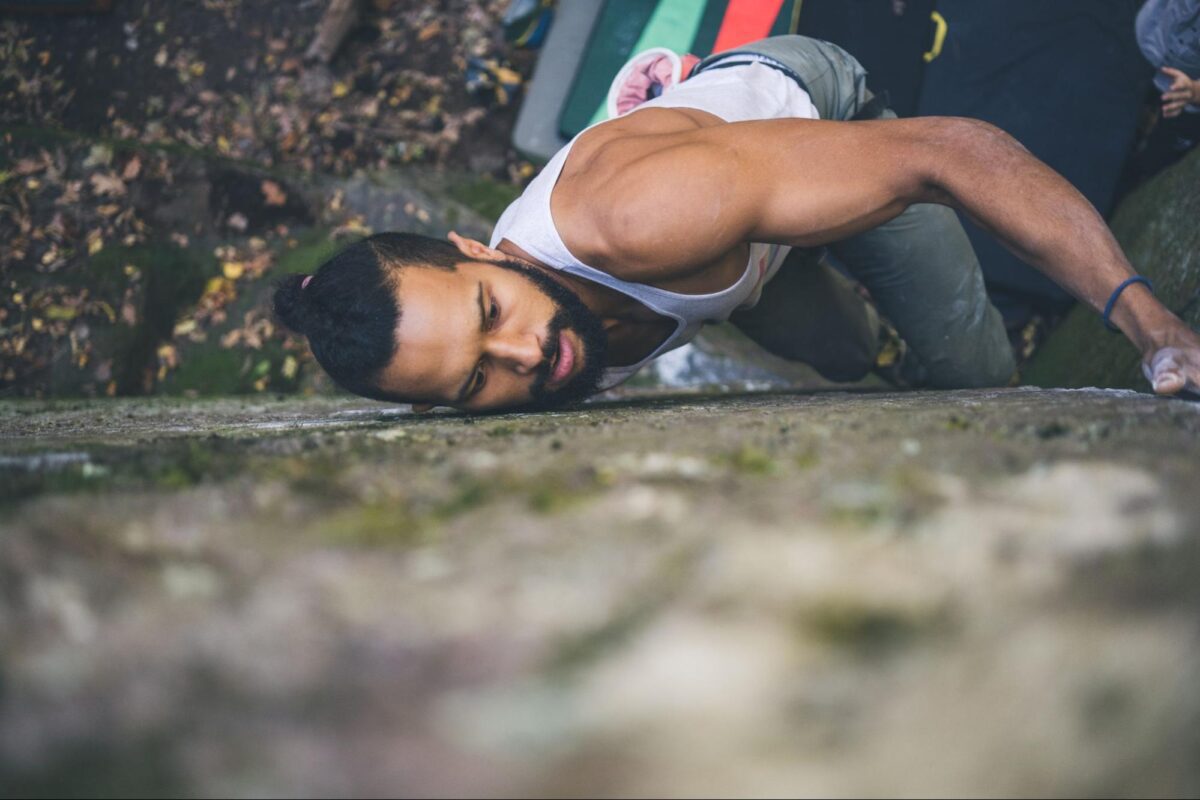
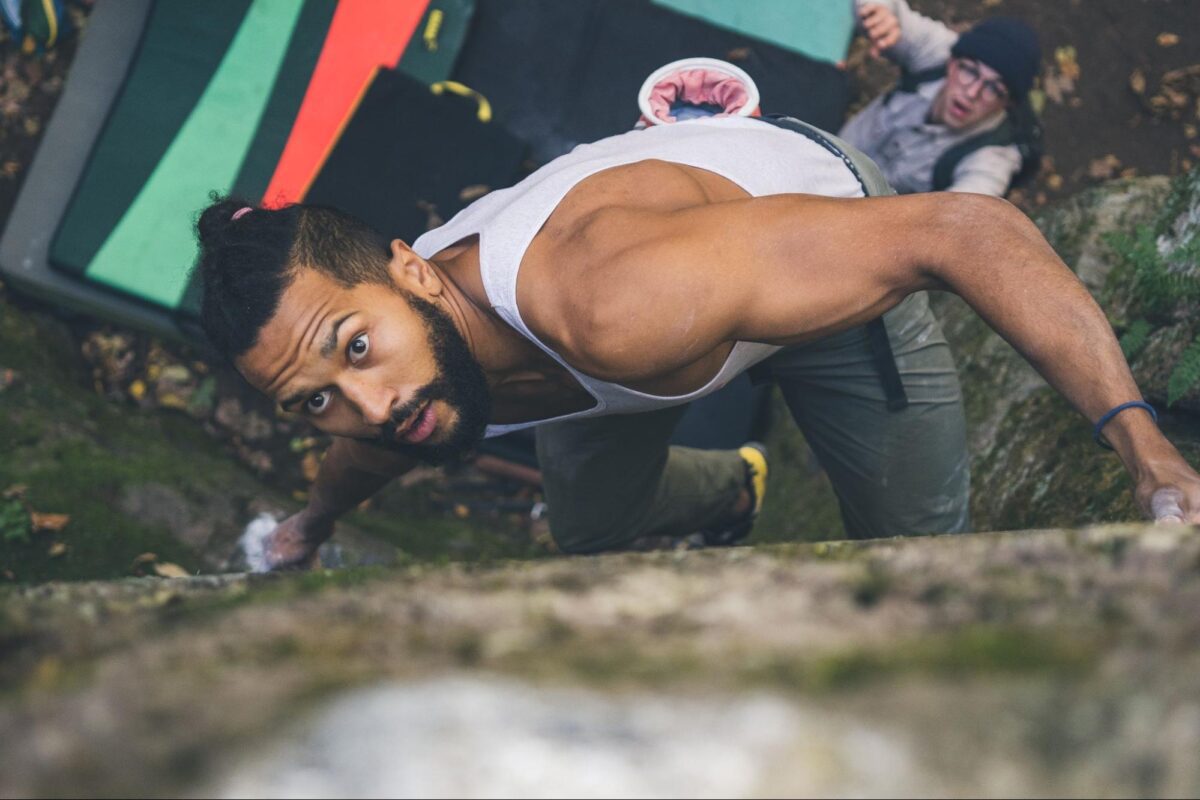
In the associative stage, climbers have established basic skills and now focus on refining and consolidating their movements. Movements become more efficient and fluid, and the climber increasingly relies on internal feedback.
Strategies for the Associative Stage:
- Variable Practice: Climbers should practice varied styles, movements, and challenges to refine their adaptability and problem-solving skills.
- Balanced Feedback: Coaches and therapists should utilize intentional feedback (summary, faded, intermittent, etc), encouraging climbers to develop their internal error detection and correction capabilities.
- Intentional Challenges: Introduce intentional and controlled difficulties or variations to movements and sequences to promote adaptability, and deeper skill consolidation.
Example: Taylor, an intermediate climber, is focused on mastering complex heel hook sequences. Taylor records himself climbing to receive clear external feedback on body positioning, timing, and execution. Initially, Taylor reviews video clips immediately after attempts, making rapid adjustments based on what is observed. As Taylor progresses he implements a strategy known as faded feedback (Shumway-Cook & Woollacott, 2012), in which the frequency of reviewing video feedback gradually decreases, encouraging reliance on internal sensations and self-assessment to make corrections . This approach helps Taylor internalize technique and increases consistency, adaptability, and confidence across various heel hook scenarios.
- Reflect: Have you been incorporating sufficient variability and reduced external feedback in your climbing practice? How might incorporating these elements more intentionally impact your skill refinement?
Practical Applications: Autonomous Stage
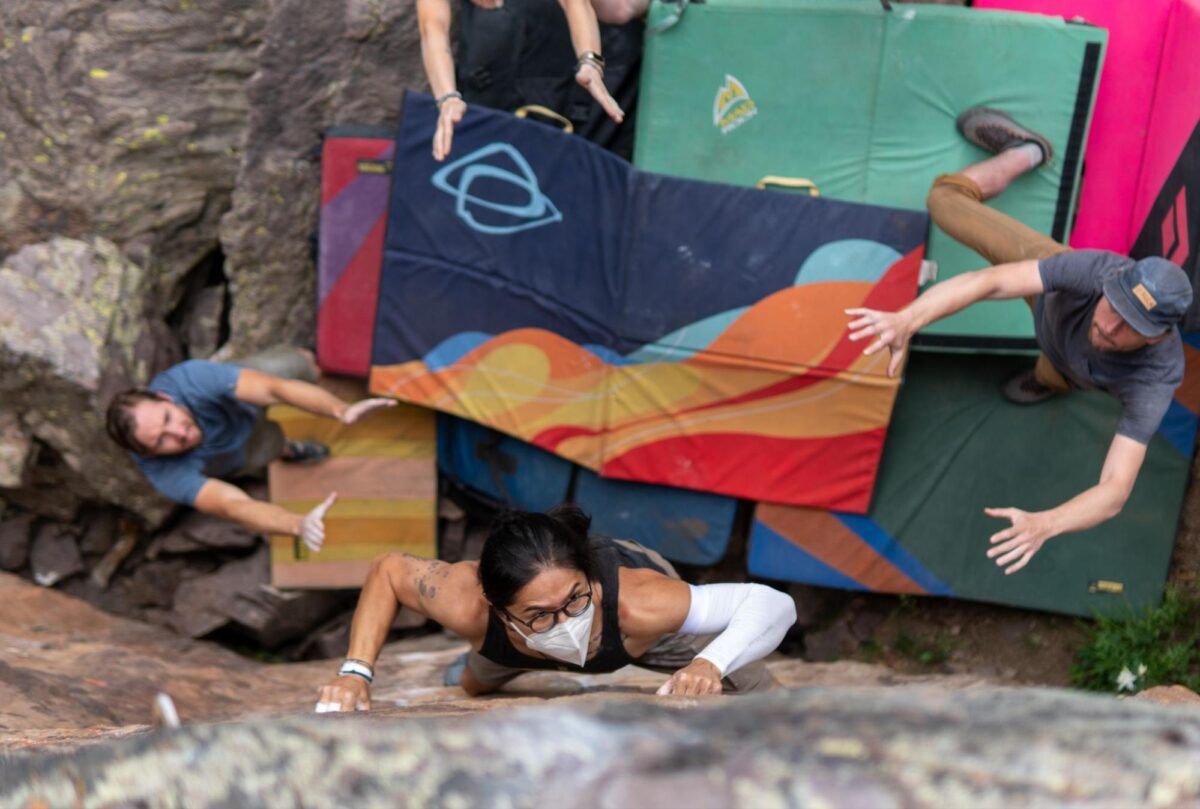
Reaching the autonomous stage in one area doesn’t imply total mastery of climbing. A climber might move fluidly on compression problems but remain awkward on finger-intensive climbs or unfamiliar rock types. This stage is specific to the context and should be seen as a springboard to seek new challenges, not a final destination.
In the autonomous stage, climbers perform movements with little conscious effort. At this level, skill execution is smooth and resilient to distraction, and focus shifts to maintaining adaptability and preventing stagnation.
Strategies for the Autonomous Stage:
- Increase Task Complexity and Pressure: Advanced climbers should embrace new challenges, such as competition simulations, time constraints, attempt limits, or outdoor redpoints (a rehearsed climb at the climbers limit) that push their mental and physical thresholds.
- Exploration and Transfer: Seek variation even in mastered skills; try new beta, different styles, or unique movement combinations. This maintains learning and enhances transferability across routes and environments. A great example of this is demonstrated by Team Japan’s bouldering team, who set the intention to re-send a boulder every time a member of their team climbs a boulder in a new way.
- Minimize Feedback, Maximize Autonomy: Encourage climbers to rely on their internal cues, using feedback only for refinement or when encountering new plateaus.
Example: Riley is an advanced climber with extensive experience and confidence in technical trad climbing, precise mantles, and delicate slab routes. Recognizing a gap in her skill set, she deliberately chooses to develop power and dynamic movement skills on steep overhangs; an area previously outside her comfort zone. Riley incorporates regular training sessions on the Kilter Board, starting with easier, controlled problems and gradually increasing complexity to practice powerful moves requiring rapid coordination and explosive strength. Over time, Riley intentionally seeks out increasingly challenging sequences and varied holds, relying less on conscious analysis and more on intuitive movement patterns and internal feedback. This focused, deliberate practice enables Riley to systematically broaden her climbing capabilities, and maintain adaptability across diverse climbing styles and terrains.
- Reflect: In your climbing, how often do you push beyond well-practiced routines to challenge adaptability? What new variables could you introduce to stay in your growth zone?
Transfer of Learning: Climbing Beyond the Session
In motor learning, the true test of skill isn’t performance during practice, it’s how well that skill transfers to new contexts. This concept, known as transfer of learning, refers to the ability to apply learned motor patterns or strategies to novel situations, environments, or problem sets. In climbing, this might mean taking coordination skills developed on a MoonBoard and applying them to a jump move outdoors, or using practiced breathing control on a competition wall during a high-stakes redpoint attempt. As with any sport, the goal of skill learning in climbing is not just repetition it’s adaptability. Can you solve new movement puzzles with the tools you’ve trained?
A recent study by Debert et al. (2020) demonstrated that practice variability significantly enhances transfer. Participants who practiced a motor task under variable conditions, changing targets, directions, or timing were better able to adapt the skill to a new but related task compared to those who practiced under blocked, repetitive conditions. This aligns with the contextual interference effect, which suggests that more effortful, less predictable practice leads to better long-term learning and application across settings.
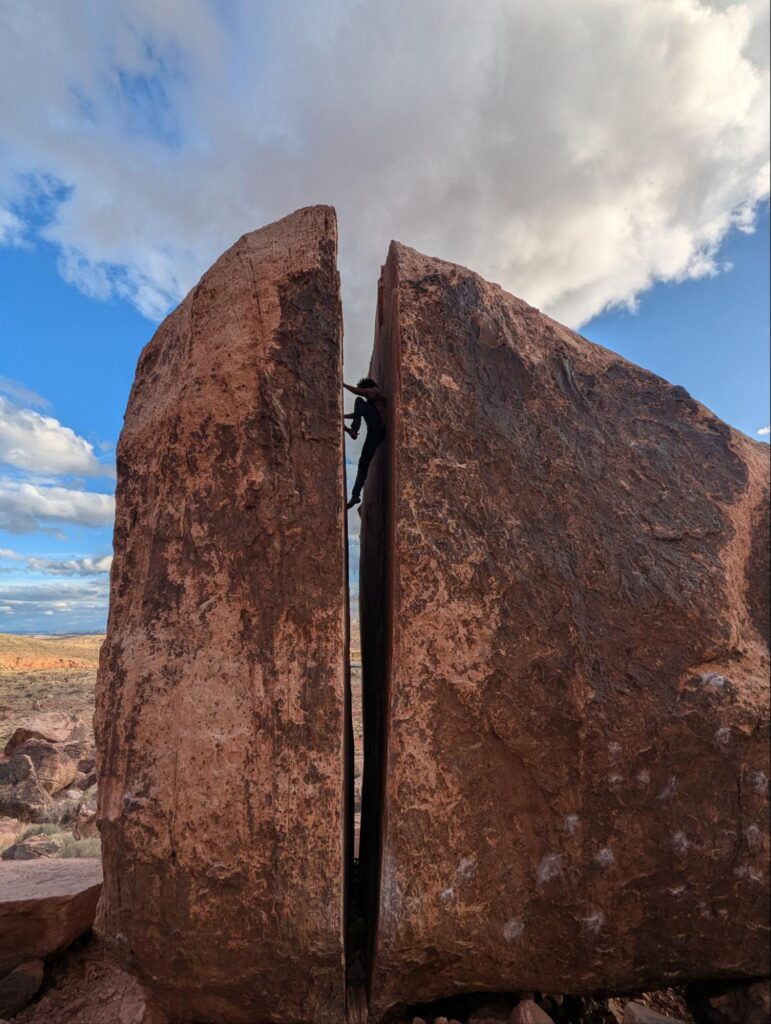
Application to Climbing
In climbing, transfer of learning is essential because no two problems are ever exactly alike. A climber who only trains on flat wall compression moves in the gym may find themselves frustrated on an outdoor granite crimp line, not because they lack strength, but because their movement vocabulary hasn’t generalized. To promote transfer:
- Vary movement and environment: Practice across a mix of climbing surfaces like plastic, wood, rock; and styles such as overhangs, slabs, and vertical walls. Mix dynamic movements with static ones. Alternate between climbing in busy social settings and quiet solo sessions.
- Experiment with personal conditions: Try climbing after a full day at work or early in the morning before your usual routine. If you typically climb every other day, try back-to-back sessions or take a few rest days and note the difference. Notice how your body responds when you’re fresh versus when you’re fatigued. These variations help develop resilience, awareness, and adaptability across different physical and mental states.
- Impose constraints: Modify your practice by limiting foot options, climbing silently, or using time restrictions. These constraints challenge your problem-solving and adaptability.
- Train decision-making under pressure: Use simulated challenges like onsight attempts (climbing a route with no prior knowledge or observation), flash attempts (first try after seeing beta), and time-bound efforts (like 4–5 minute climbing rounds to mimic competition pacing).
These approaches mimic the variability and unpredictability of real-world climbing, fostering skills that extend beyond a single session and improving your ability to adapt across new problems, environments, and demands.
Example: Mia has spent the last two months training dynamic tension moves on a tension board, particularly compression-style climbs with slopers and heel hooks. Her execution has become sharp and repeatable but when she visits a local granite bouldering area, she struggles on a V7 that requires delicate foot smears, body positioning, and micro-adjustments on small edges. Despite being strong and practiced, her skill hasn’t transferred.
Contrast that with Jordan, who regularly rotates between different boards, gyms, and outdoor crags, intentionally exposing himself to a variety of rock types, movement styles, and wall angles. He might not have the board fluency Mia does, but when he steps on a slabby granite crimp problem, he adapts quickly. His broader movement vocabulary honed through varied practice allows him to generalize and apply skills across settings. That’s the power of transfer: it’s not just about doing a move well, but about solving new problems using adaptable tools.
- Reflect: Recently, have you focused on refining one style or setting? A specific board, wall angle, or hold type? Or have you intentionally varied your practice? When you step onto a new type of climb or surface, do your skills transfer smoothly? What’s one way you could introduce more variability into your sessions to build a broader, more adaptable movement vocabulary?
Special Focus: Building Self-Efficacy & Avoiding Plateaus in Climbing
Understanding Self-Efficacy in Climbing
Self-efficacy, a concept introduced by psychologist Albert Bandura, refers to an individual’s belief in their ability to organize and execute the actions required to achieve specific goals (Bandura, 1977, 1997). In the context of climbing, self-efficacy plays a pivotal role in shaping a climber’s response to challenge. High self-efficacy is associated with greater persistence on difficult routes, faster recovery from failed attempts, and improved motor learning outcomes due to sustained effort and adaptive engagement with errors (Bandura, 1997; Guadagnoli & Lee, 2004). Conversely, climbers with low self-efficacy are more prone to avoid hard problems, experience heightened anxiety, and stall in their progression due to reduced exposure to meaningful challenges (Dweck, 2006; Schmidt & Lee, 2019).
Climbing inherently involves physical risk and mental exposure, making self-efficacy particularly influential. Bandura’s concept aligns closely with the Growth Zone Model, where climbers ideally operate within their growth zone; optimally challenged, managing errors productively, and consistently expanding their comfort boundaries without reaching panic.
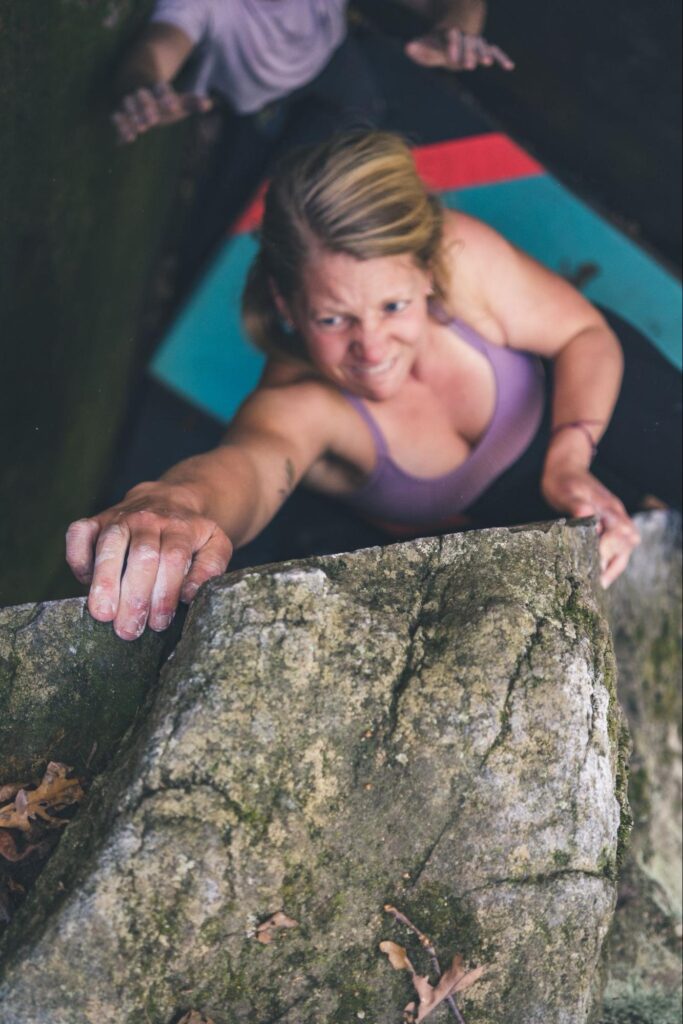
Strategies for Enhancing Self-Efficacy
- Mastery Experiences: Structure practice sessions to create incremental successes. Novice climbers should experience frequent, achievable goals, gradually increasing difficulty. Intermediate and advanced climbers benefit from structured variability and intentional challenges to reinforce their confidence through repeated overcoming of obstacles.
- Modeling and Vicarious Experiences: Observe peers of similar skill levels successfully performing challenging moves or sequences. Climbing communities and group practices enhance self-efficacy through shared experiences and mutual reinforcement.
- Verbal Persuasion and Feedback: Coaches and climbing partners should provide specific, constructive, and encouraging feedback. Emphasize progress rather than immediate outcomes, reinforcing effort and adaptability.
- Physiological and Emotional Regulation: Teach climbers anxiety management techniques such as diaphragmatic breathing, visualization, and mindfulness, especially useful when confronting climbs perceived as intimidating or risky.
- Reflect: Identify a recent climbing experience that challenged your confidence. What strategies could you implement from those listed above to strengthen your self-efficacy next time?
Avoiding Plateaus with the Challenge Point Framework
Plateaus in climbing often occur not from a lack of effort but from mismatched practice conditions, either too easy to stimulate adaptation or too difficult to be productive. The Challenge Point Framework (Guadagnoli & Lee, 2004) provides a lens for identifying and adjusting that sweet spot. It proposes that motor learning is maximized when task difficulty leads to a balance between success and error. When success is too frequent, the challenge is insufficient to drive adaptation. When errors are too frequent, the task becomes discouraging and ineffective.
To make this idea more actionable, some practitioners suggest aiming for an error rate of roughly 40 to 60 percent during practice. While this specific range is not provided by Guadagnoli & Lee or based on a definitive research consensus, it serves as a practical guideline based on broader motor learning literature and clinical experience. The goal is to keep challenge levels high enough to stimulate learning without overwhelming the climber’s confidence or focus.
This framework aligns naturally with the Growth Zone Model. The growth zone is where challenge meets capability and creates a psychological environment in which learners can engage meaningfully with errors. The Challenge Point Framework offers a structure for dialing in difficulty to keep climbers at the edge of their abilities. Task complexity provides the challenge, and psychological readiness creates the conditions for growth. Together, they emphasize that learning happens when the brain is engaged in solving problems and the climber believes they are capable of solving them.
Nuanced View of Failure in Climbing
In this integrated framework, failure is not something to avoid, it’s something to dose appropriately. From a motor learning perspective, failure is simply a feedback mechanism: “Did I accomplish X task or goal?” X could be sticking a move, linking a section, or breathing through the pump. The key is that failure provides useful, non-threatening information, which only happens in the growth zone and at the optimal challenge point. True failure only occurs when the climber disengages from the process; likely because the task is too easy to inspire growth, or too hard to inspire belief.
Practical Applications to Avoid Plateaus
Strategic Difficulty Adjustments: Vary the difficulty of climbs or individual moves to keep sessions in the optimal challenge window. This doesn’t mean every session needs to feel like projecting. For beginners, it might mean introducing one novel movement per drill. For advanced climbers, it might mean intentionally pushing into sequences with a known failure rate but where feedback can be processed constructively.

Example: Jonathan, a sport climber working toward his first 5.13a, structures his training sessions to maintain momentum without stagnation. He begins with a 5.12a route he can climb with confidence, reinforcing good movement patterns and warming up mentally. Then he spends the bulk of his session on a 5.12c project, challenging but within reach. Finally, he dedicates time to exploring a 5.13a crux sequence, knowing he might not complete it but valuing the exposure and data he gathers. This deliberate layering of low, moderate, and high difficulty keeps Jonathan operating in his growth zone while managing fatigue and motivation.
Variable and Randomized Practice: Alternate movement types, holds, and conditions within a session to encourage adaptability. This increases cognitive engagement, disrupts muscle memory, and mirrors the unpredictable nature of real-world climbing.
Use Error as a Learning Metric: Climbers in the growth zone should not be seeking 100% success, they should be seeking feedback-rich attempts. If you’re never falling, you’re not learning. And if you’re always falling with no idea why, you’re likely out of the zone.
Example: While working a 5.12b with a powerful deadpoint crux, Jonathan repeatedly fell just before the chains. Rather than seeing the repeated failures as a setback, he reframed them as opportunities to refine his approach. He began tracking the outcomes of each attempt in a notebook, noting subtle differences in timing, core tension, and breathing. Eventually, these reflections helped him identify a more efficient body position that led to success. Jonathan’s mindset shift, seeing each fall as valuable feedback, made the process feel rewarding even before the sen
Feedback Timing and Structure: Use delayed, summary, or bandwidth feedback to reinforce internal problem-solving. Faded feedback not only aligns with the Challenge Point Framework, it reinforces self-efficacy by allowing climbers to own their corrections.
By applying the Challenge Point Framework within the Growth Zone mindset, climbers and coaches can design practice that is both technically effective, and emotionally sustainable. Motor learning happens where difficulty invites adaptation, not where perfection is chased. The most effective practice structures aren’t just physically challenging, they’re tailored to the learner’s readiness to engage, explore, and improve.
- Reflect: Consider your recent practice sessions. Have you operated consistently at your optimal challenge point? How might varying the structure or difficulty of your climbs help you move past a current plateau?
Conclusion and Key Takeaways
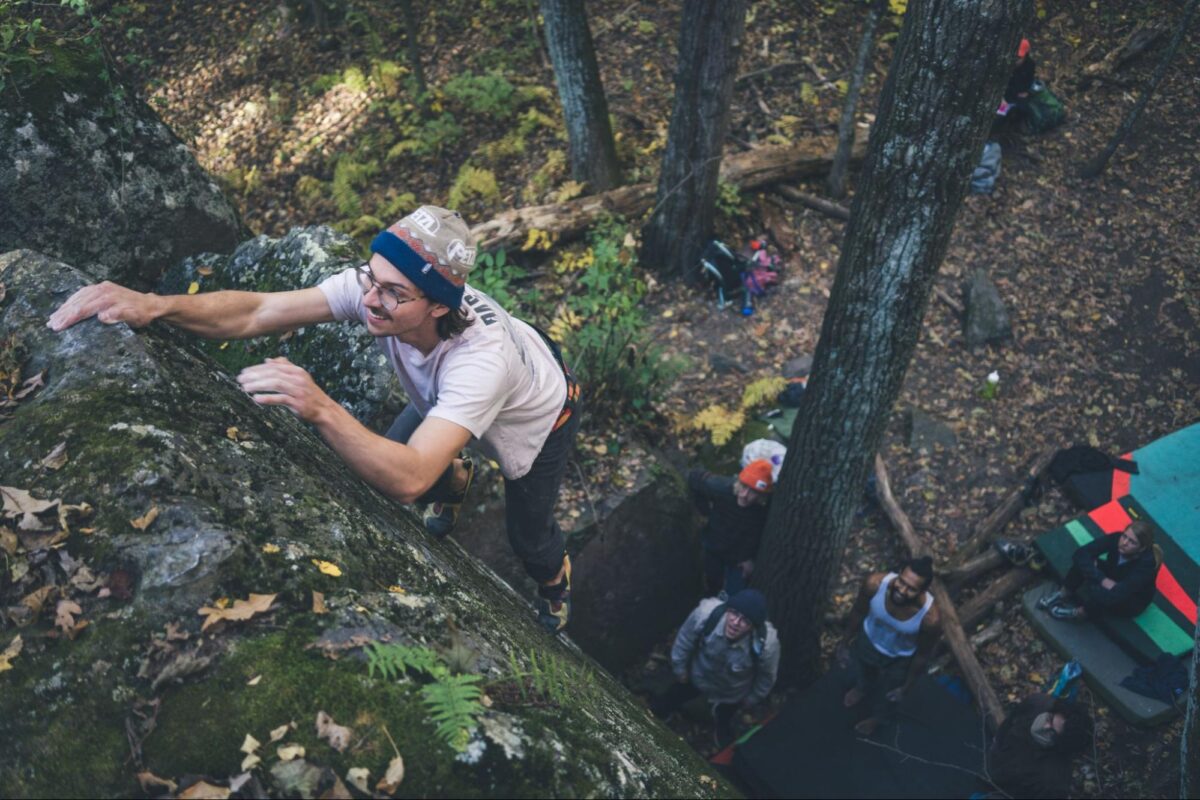
Just as Nathaniel Coleman meticulously broke down and internalized the challenging movements of “Defying Gravity,” your climbing journey also benefits from a nuanced, deliberate approach grounded in motor learning principles. Rather than attempting to implement every tool and tip at once, aim to identify and focus on one or two strategies at a time; the aspects of your practice that offer the greatest potential for immediate improvement.
When facing plateaus or moments of frustration, revisiting these motor learning concepts can offer fresh perspectives and actionable insights. This article serves as a practical resource to help you navigate the complexities of skill acquisition, enhance your adaptability, and foster sustained progression in your climbing.
Key takeaways:
- Self-efficacy underpins sustainable progression, and should be fostered through mastery experiences and appropriate challenges.
- Understanding your learning stage allows for strategic practice planning; adapting feedback, challenge level, and variability to match your needs.
- Motor learning thrives not on perfection, but on appropriately managed error. Learning happens in the zone where challenge meets competence.
- Performance gains are not synonymous with learning. Seek learning, challenge, and consistency, not just sends.
By integrating reflection and structure into your climbing sessions, you empower yourself to climb not just harder but smarter. Whether you’re a PT working with climbers, a coach designing practice, or an athlete pushing your personal edge, these principles can guide you toward sustained growth.
- Reflect: What is one skill, technique, or mindset shift you will focus on in your next climbing session to support long-term learning and progression?
Author Bio
Andy Tollefson is the founder of Andy Tollefson Coaching and a third-year student physical therapist (SPT) at the University of Utah, where he serves as class president for the DPT Class of 2026. Backed by a CSCS and eight years of coaching experience, Andy brings deep expertise in exercise programming, habit change, and individualized lifestyle transformation. His clinical interests include orthopedic and hand therapy, with a commitment to integrating evidence-based care with real-world application. Andy’s professional mission is to empower people through movement, blending purpose, compassion, and curiosity into every interaction. A lifelong learner and passionate climber, Andy finds balance and inspiration outdoors. He lives in Salt Lake City with his fiancée, Olivia, and their two loving dogs, Luna and Sol.
“Every human being is the author of their own health” – The Buddha

References
- The North Face Presents: Nathaniel Coleman – “No One Mourns the Wicked” [YouTube Video]. (2021, Dec 13). YouTube. https://youtu.be/r6lWVJrigTA
- Bandura, A. (1977). Self-efficacy: Toward a unifying theory of behavioral change. Psychological Review, 84(2), 191–215.
- Bandura, A. (1997). Self-Efficacy: The Exercise of Control. New York: W.H. Freeman.
- Dweck, C. S. (2006). Mindset: The New Psychology of Success. Random House.
- Guadagnoli, M. A., & Lee, T. D. (2004). Challenge point: A framework for conceptualizing the effects of various practice conditions in motor learning. Journal of Motor Behavior, 36(2), 212–224.
- Schmidt, R. A., & Lee, T. D. (2019). Motor Learning and Performance: From Principles to Application (6th ed.). Human Kinetics.
- Shumway-Cook, A., & Woollacott, M. H. (2012). Motor Control: Translating Research into Clinical Practice (4th ed.). Lippincott Williams & Wilkins.
- The Testpiece Podcast. Episode #131. Nathaniel Coleman – V17 FA “No One Mourns The Wicked”.
- Debert, C. T., McNevin, N. H., & Munkasy, B. A. (2020). Practice structure and motor learning: Effects of variability on skill acquisition and transfer. Journal of Motor Behavior, 52(1), 71–83. https://doi.org/10.1080/00222895.2019.1578949
- Climbing Magazine. (2023, November 8). Motor learning theory in rock climbing: The science behind skill progression. Retrieved from https://www.climbingmagazine.com/skills/motor-learning-theory-in-rock-climbing
- Disclaimer – The content here is designed for information & education purposes only and the content is not intended for medical advice.
Related Posts