• The TheraBand Soft Weight Ball is a 4.5-inch vinyl-coated weighted ball designed for isotonic strengthening exercises in rehabilitation and training. Unlike dumbbells, the ball shape allows for a natural, functional grip and can be used for unilateral or bilateral exercises, thrown against a rebounder for plyometric work, or held during rotational and shoulder movements. For climbers, it is useful for shoulder strengthening and scapular stability exercises, rotator cuff loading, and upper extremity conditioning work where a compact, easy-to-grip weight is more practical than a dumbbell. The 3.3 lb Red version is a practical starting point for most upper extremity rehab programs.

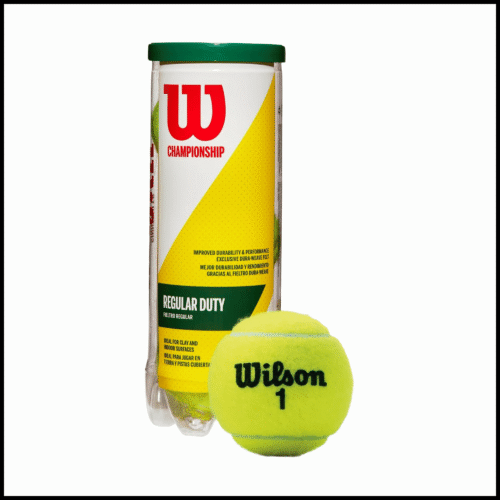
  • A tennis ball is a softer, more forgiving alternative to a lacrosse ball for self-myofascial release and soft tissue mobilization. The slight give in the felt-covered rubber makes it better suited for sensitive areas or for climbers who find a lacrosse ball too firm during early rehabilitation. For climbers, tennis balls are commonly used for plantar fascia rolling, gentle forearm and hand release, and suboccipital work at the base of the skull where a harder ball may be too intense. They are also useful for grip and hand coordination exercises during finger rehabilitation.

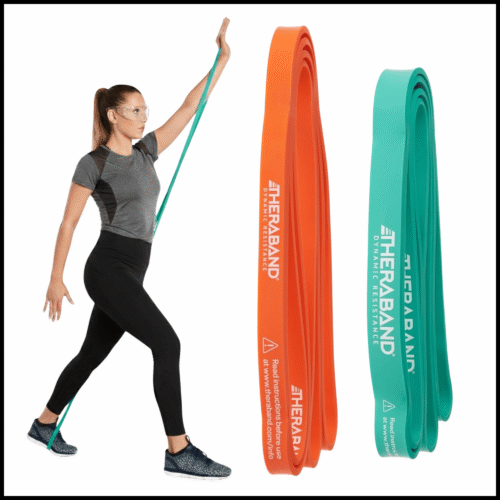
  • TheraBand's 41-inch loop bands offer significantly more resistance than standard flat therapy bands, making them useful for full-body strengthening exercises and advanced rehabilitation work. The 2-pack Easy set includes a Light (15 lbs) and Medium (25 lbs) band, each made from durable natural rubber latex that maintains its elasticity with daily use. For climbers, loop bands are practical for assisted pull-up progressions, hip and glute strengthening, shoulder loading, and lower extremity rehab exercises where higher resistance is needed than flat bands can provide.

  • The TheraBand Hand Exerciser is a soft rubber squeeze ball used in hand, finger, and forearm rehabilitation to restore grip strength, dexterity, and range of motion following injury. Available in multiple resistance levels — from Extra Soft (Yellow) through to Extra Firm (Black) — it allows progressive loading through a full squeezing motion with consistent resistance throughout the range. For climbers, it is a useful early-stage rehabilitation tool for finger and pulley injuries, returning grip function after periods of immobilization, and addressing forearm weakness during recovery. It can also be heated or cooled for use alongside hot and cold therapy protocols.

  • A 1-inch birch wood dowel rod is a simple, low-cost tool used to increase the grip and wrist challenge during rowing, curling, and other pulling exercises. By gripping the dowel instead of a smaller handle, climbers create a longer lever and a larger gripping surface, which increases demand on the wrist stabilizers, forearm muscles, and finger flexors. This makes it useful for training wrist control, grip strength, and forearm endurance in movements that carry over to climbing. The pack of 5 provides multiple units for clinic, gym, or home use.

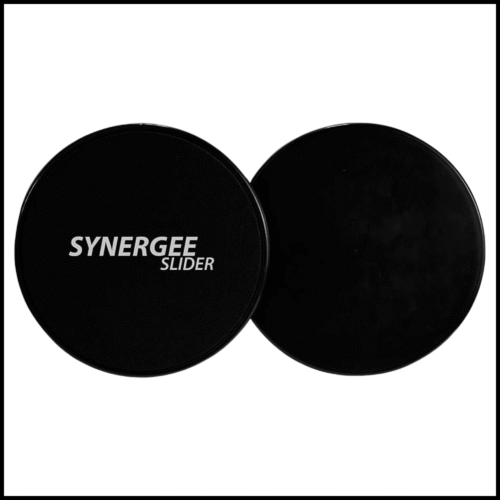
  • Core sliders are small dual-sided discs that reduce friction between the hand or foot and the floor, allowing smooth, controlled sliding movements that challenge core stability, shoulder strength, and lower extremity control. The Synergee sliders work on both hard floors (foam side) and carpet (plastic side), making them practical for home use. For climbers, they are useful for core anti-extension exercises, pike progressions, shoulder stability drills, and hip flexor strengthening — movements that directly translate to the body tension and positional control required on the wall.

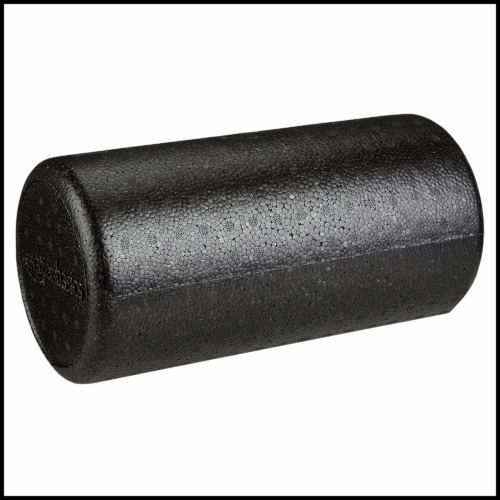
  • A foam roller is a standard tool in physiotherapy and athletic recovery, used for soft tissue mobilization, thoracic spine mobility, and neuromuscular warm-up work. The 12-inch high-density polypropylene roller is firm enough to maintain shape under bodyweight, compact enough to travel with, and the shorter length makes it practical for targeted work on specific regions. For climbers, foam rolling is commonly used for thoracic extension mobilization, lat and pec minor release, and lower extremity soft tissue work as part of a warm-up or recovery routine.

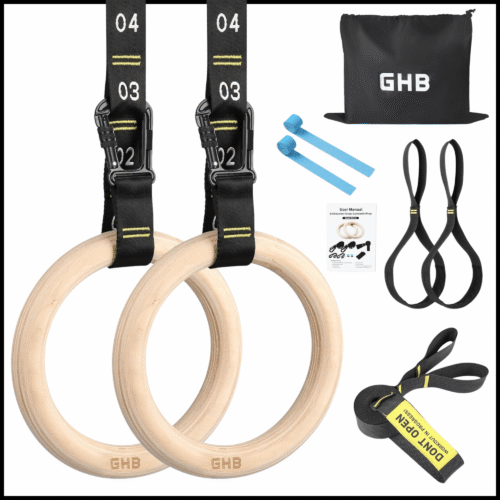
  • Gymnastic rings are one of the most effective tools for developing the upper body strength, shoulder stability, and body tension that directly transfer to climbing performance. The GHB rings are made from 1.25-inch birch wood, which provides a natural grip surface similar to wooden hangboards, and the adjustable numbered straps make it straightforward to set equal heights on both rings. For climbers, rings are useful for building pulling strength through ring rows and inverted rows, developing shoulder stability through support holds and push-up progressions, and training the scapular control needed to manage climbing loads safely. The set includes a door anchor, foot straps, grip tape, and a carry bag.

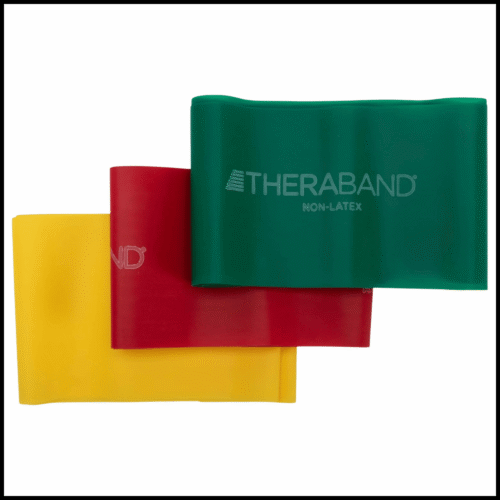
  • TheraBand resistance bands are one of the most widely used tools in physical therapy and home rehabilitation programs. The beginner set includes three color-coded bands — Yellow (3–4.3 lbs), Red (3.7–5.5 lbs), and Green (4.6–6.7 lbs) — each 5 feet long, allowing for progressive resistance training across a range of exercises. For climbers, resistance bands are useful for shoulder strengthening, rotator cuff rehab, scapular stabilization, and hip and ankle work during injury recovery. Both latex and non-latex options are available.

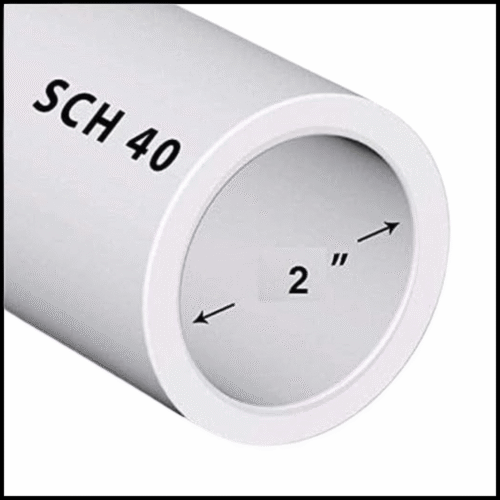
  • A short section of 2-inch Schedule 40 PVC pipe is a firm, low-cost tool used by climbers for finger and forearm warm-ups. Loop a resistance band around each end of the pipe, step on the middle of the band, and hold the pipe with your fingers. From there, slowly curl the pipe using your fingers and wrists to activate the finger flexors and forearm muscles before climbing. At 18 inches long, it is the perfect length.

  • Small pom poms are used in physiotherapy and rehabilitation as low-cost hand strengthening tools. Placing pom poms between the fingers and gently squeezing them helps train the small intrinsic muscles of the hand, improve finger coordination, and build better grip control. For climbers, this can support more precise hand positioning on holds and improve control during gripping movements. This pack includes 250 one-inch pom poms in assorted colors, enough for extended rehab programs, warm-ups, or clinic use.

  • The PocketMaster is a compact solid wood training block designed for finger strength and grip development through loaded hangs and dead hang training. At 90 × 100 × 30 mm and 190 g, it fits in a gym bag and can be used anywhere — at home, at the gym, or at the crag. It offers four edge depths (6, 10, 14, and 18 mm) and two pinch surfaces (30 mm and 100 mm), covering the range of grip positions relevant to both climbing training and finger rehabilitation. For climbers returning from injury, the variety of edge depths allows precise load management during progressive tendon loading protocols.

Go to Top