Description
Date and Time
- May 15th: Day 1 8am – 5pm
- May 16th: Day 2 8am – 5pm
Location
Contact Hours
- Day 1: 8 contact hours
- Day 2: 8 contact hours
Course Certificate
- Continuous education upon course completion (Quebec: 16 HFC upon course full completion 8 HFC for day 1)
Level
Instructors
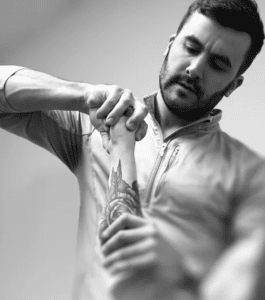
Jared Vagy is a doctor of physical therapy with a focus on treating rock climbing injuries. In addition to his doctoral degree, he has completed a one-year residency in orthopedics and a one-year fellowship in movement science. He is the author of the Amazon #1 best-seller “Climb Injury-Free,” has published numerous articles on injury prevention and lectures on the topic internationally. Dr. Vagy is on the teaching faculty at the University of Southern California, one of the top doctor of physical therapy programs in the United States. He is a board-certified orthopedic clinical specialist and a certified strength and conditioning specialist. He is passionate about climbing and enjoys working with climbers of all ability levels, ranging from novice climbers to the top professional climbers in the world.

Julien Descheneaux is a master of physical therapy who dedicates himself exclusively to rock climbing injuries, having treated over 1200 climbers. He’s been covering Quebec competitions as a certified Sport First Responder since 2014. He is also the author of the online class “Climbing injuries at the upper quadrant” for the Quebec PT Board (OPPQ) and gives regular clinics and conferences on the subject. He founded PhysioHR in 2016, the first PT clinic inside a rock climbing gym in Canada and is currently the resident PT at Bloc Shop Chabanel.
Accommodations
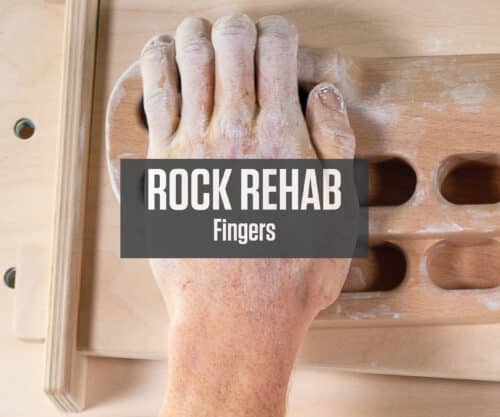
May 15th, 2027: Day 1: Finger, Hand & Wrist Rehabilitation
Learning Objectives
By the end of this course, participants will be able to:
- Analyze the biomechanical demands of the crimp, pocket, pinch, sloper, and jam and their relevance to finger, hand, and wrist rehabilitation.
- Perform focused finger, hand, and wrist assessments using climbing movement observations and targeted clinical tests.
- Select and apply manual therapy, therapeutic exercise, and movement modifications based on assessment findings.
- Develop individualized loading programs and climbing-specific rehabilitation progressions for finger, hand, and wrist conditions.
- Retest climbing movements to evaluate treatment response and guide the next stage of rehabilitation.
Proposed Timetable
|
Time
|
Topic
|
|
9:00–9:30 AM
|
Clinical framework and finger, hand, and wrist biomechanics
|
|
9:30–10:30 AM
|
Crimp: movement analysis, assessment, treatment, and retesting
|
|
10:30–10:45 AM
|
Break
|
|
10:45 AM–12 PM
|
Pocket and pinch: movement analysis, assessment, treatment, and retesting
|
|
12:00–1:00 PM
|
Lunch
|
|
1:00–2:30 PM
|
Sloper and jam: movement analysis, assessment, treatment, and retesting
|
|
2:30–2:45 PM
|
Break
|
|
2:45–4:00 PM
|
Therapeutic exercise, loading dosage, and climbing-specific progressions
|
|
4:00–5:00 PM
|
Integrated clinical cases, practical treatment strategies, and Q&A
|
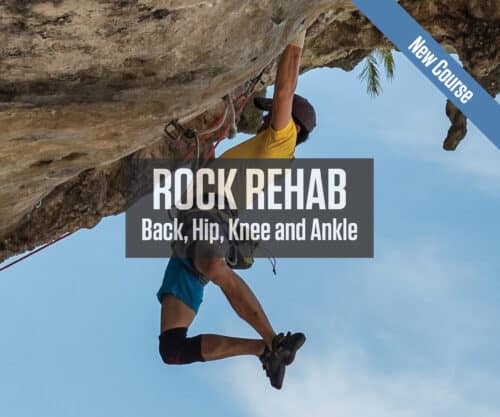
May 16th, 2027: Day 2: Upper & Lower Extremity Rehabilitation
Learning Objectives
By the end of this course, participants will be able to:
- Analyze the biomechanics of upper- and lower-body climbing movements.
- Identify mobility, strength, and motor-control impairments that may contribute to limitations in climbing movement.
- Perform targeted clinical assessments based on movement limitations observed on the climbing wall.
- Select and apply manual therapy, therapeutic exercise, and movement retraining to address identified impairments.
- Retest climbing movements and develop individualized rehabilitation and climbing-specific progressions.
Proposed Timetable
|
Time
|
Topic
|
|
9:00–9:15 AM
|
Clinical framework and introduction to movement analysis
|
|
9:15–10:30 AM
|
Upper-body biomechanics, movement assessment, and treatment
|
|
10:30–10:45 AM
|
Break
|
|
10:45 AM–12 PM
|
Upper-body movement analysis, treatment, and retesting
|
|
12:00–1:00 PM
|
Lunch
|
|
1:00–2:30 PM
|
Lower-body biomechanics, movement assessment, and treatment
|
|
2:30–2:45 PM
|
Break
|
|
2:45–4:00 PM
|
Lower-body movement analysis, treatment, and retesting
|
|
4:00–5:00 PM
|
Integrated clinical cases, rehabilitation progressions, and Q&A
|
Course Format
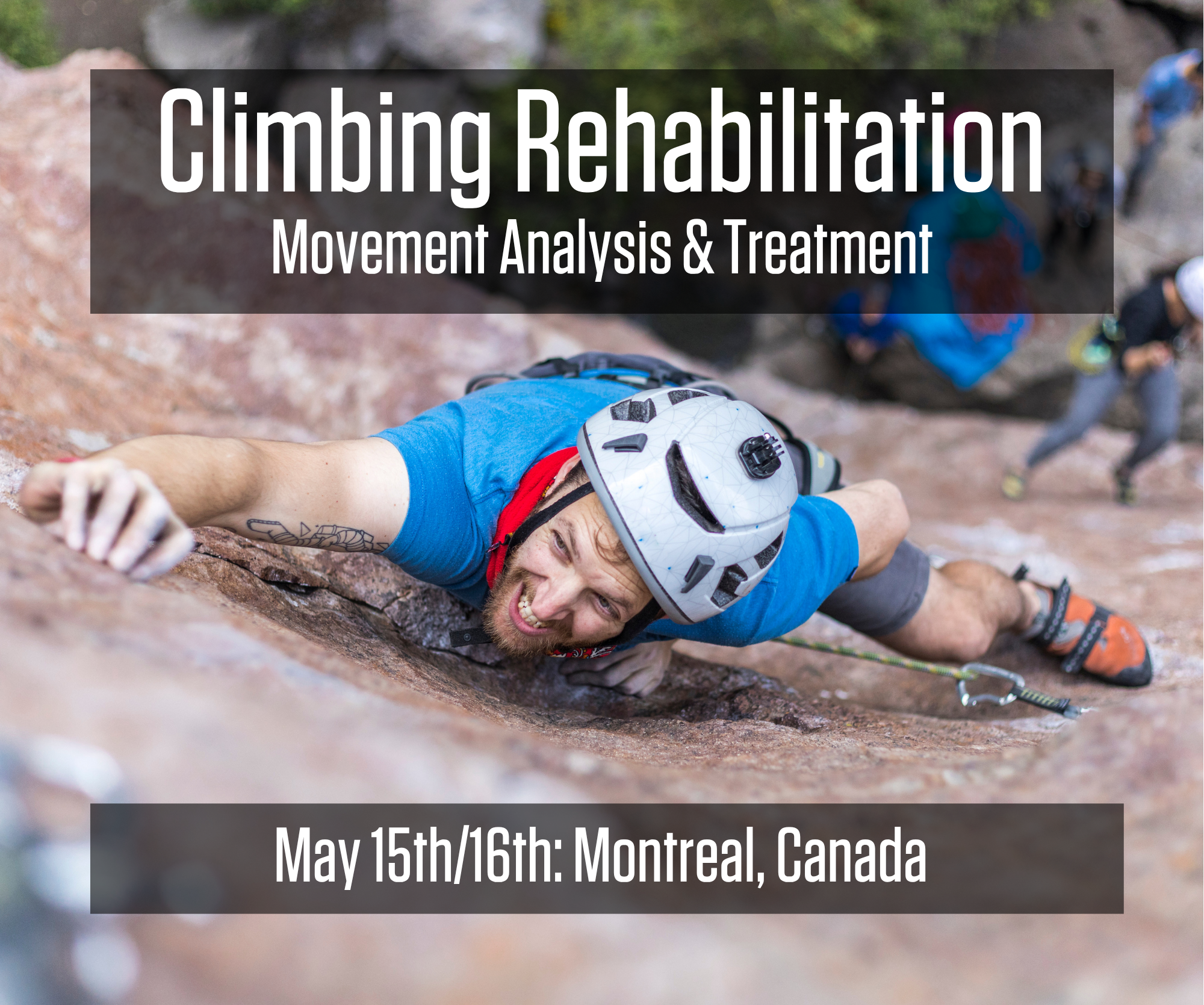
Through didactic instruction, demonstrations, and hands-on practice, participants learn to connect climbing movement analysis with clinical assessment, treatment, retesting, and individualized rehabilitation progression.

Reviews
There are no reviews yet.